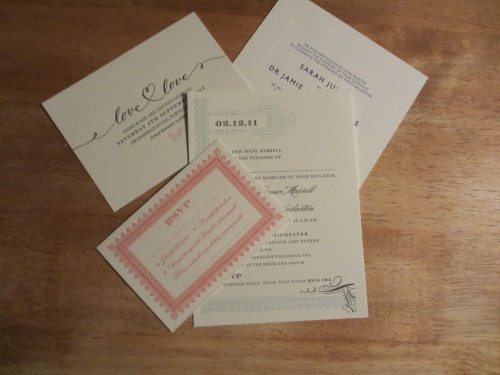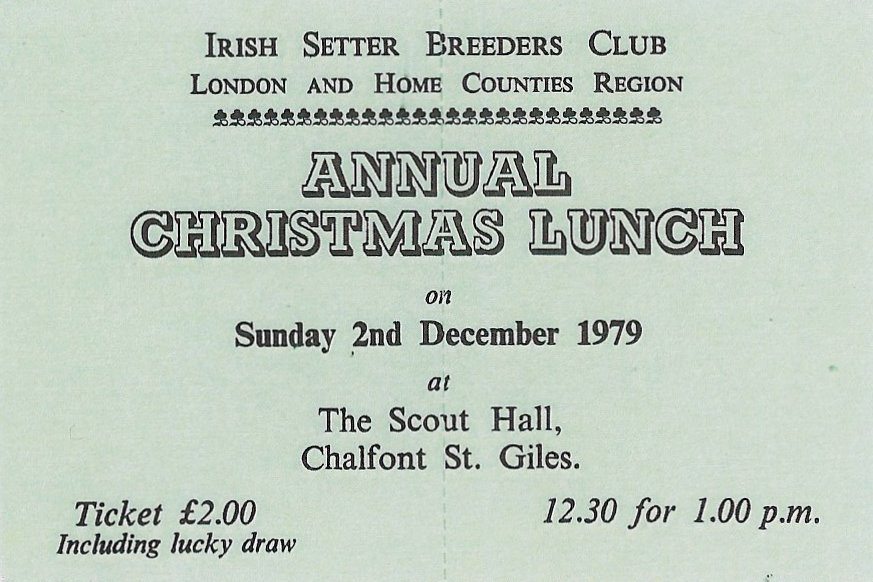

John Curwen and the Tonic sol-fa system
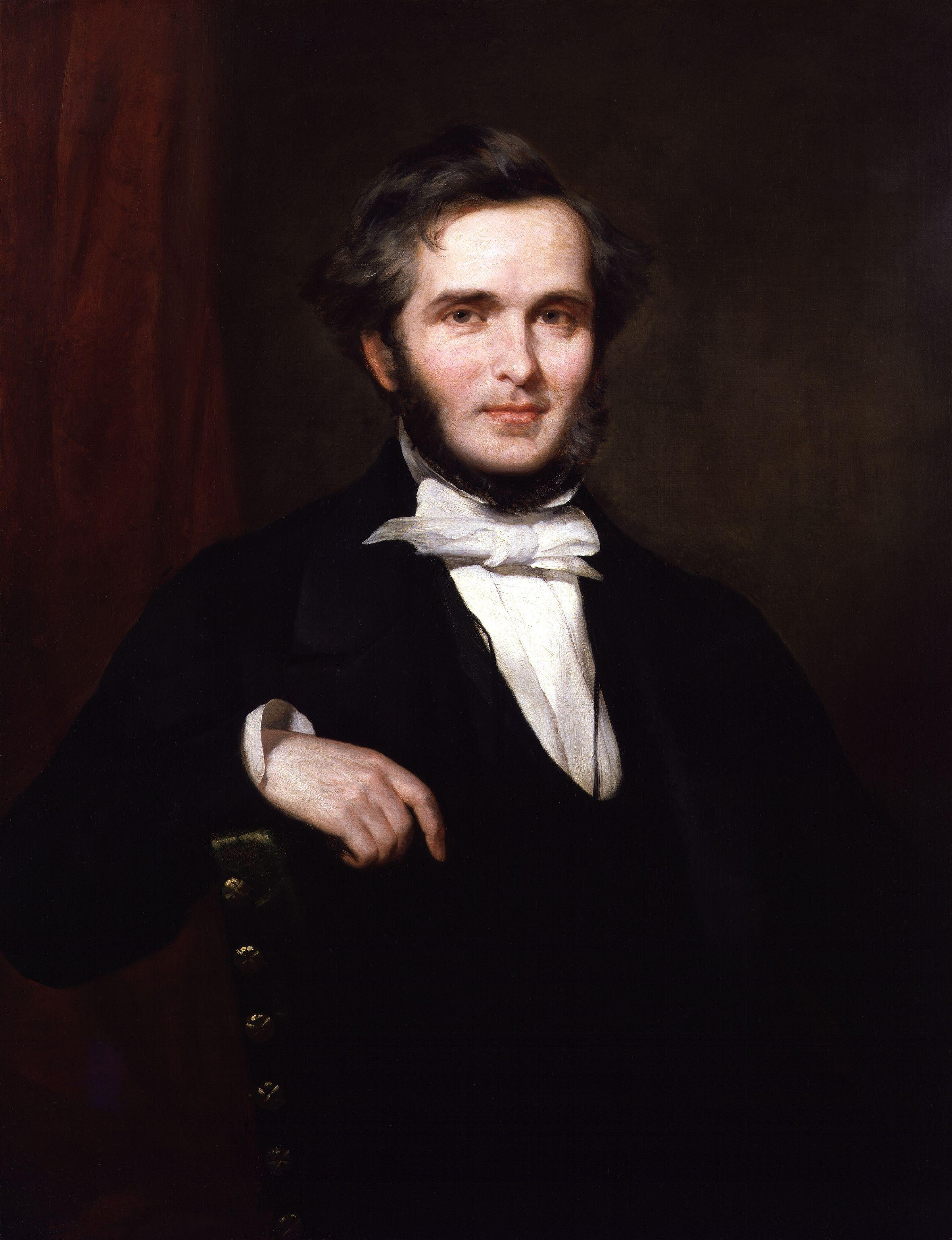
John Curwen was born in Liversedge, West Yorkshire in late 1816. Following John Wesley’s example, John was a nonconformist minister and was keen to alleviate the worst of the conditions in which he found his flock.
John Curwen was convinced that one relief for those he looked after was music. In the days before any recordings and with limited general understanding of musical notation, it was difficult to share musical works between choirs and congregations.
John met Sarah Ann Glover, who had invented and perfected a technique to document and teach music, her Norwich sol-fa Ladder. Curwen saw the opportunity to popularise Glover’s method to share more broadly the joy that came from music.
In 1841 John Curwen was given a mission by the Conference of nonconformist Sunday School teachers in Hull. His task was to cultivate singing throughout the movement. His base was Plaistow, at that stage a development on the route out of London to Essex.
Curwen Press and Music Printing
Printing Tonic sol-fa was far less complex than printing traditional music notation, but still fiddly — needing special spacing and characters. John Curwen’s mission was threatened when existing printers were less than keen to print his Tonic sol-fa works for reasonable prices.
In 1863 John developed his own printing works to print this music initially in a cottage next to John’s chapel in North Street, Plaistow.
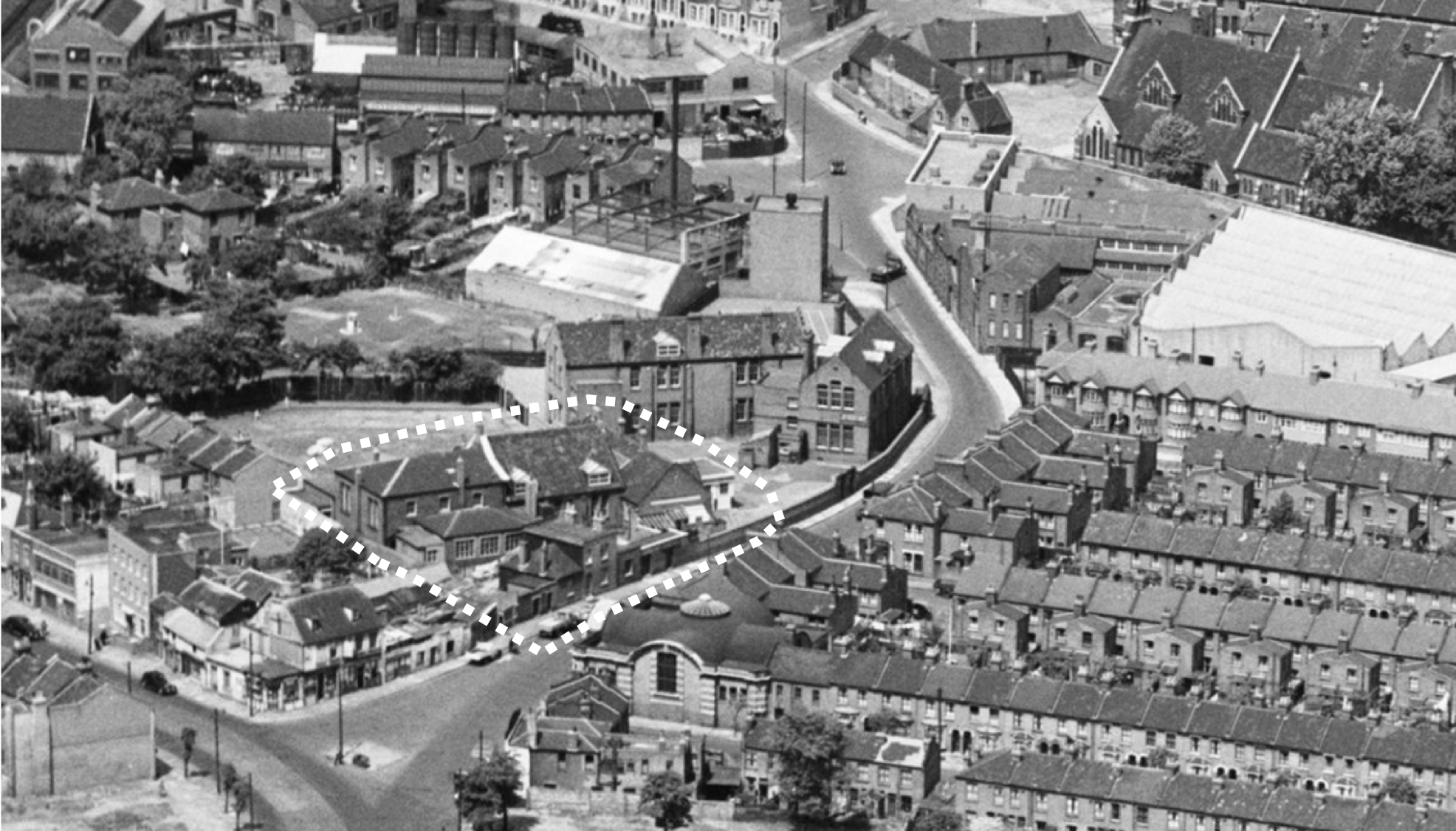
For a long period the press was a subsidiary of the Tonic sol-fa movement. The press existed only to print — as cheaply as possible — Tonic sol-fa music in huge volumes to make good on the mission John had been given in 1841. Jobbing work was carried out as a secondary concern.
The enterprise — including press and music publishing — passed from John to his two sons John Spencer Curwen and Joseph Spedding Curwen on John’s death in 1880.
Harold Spedding Curwen
Joseph Curwen’s youngest son, Harold Spedding Curwen, had been educated in printing and lettering. He studied under Edward Johnston at the Central School, and spent time in Germany with Oscar Brandstetter at Leipzig. In 1914 John Spencer Curwen appointed Harold as the manager of the press.
Harold sought to use his appreciation for type and lettering, and his membership of the Council of the Design and Industries Association, to bring more joy to his printing work.
This wasn’t always appreciated and West Ham Corporation Tramways closed their account with the Curwen Press when their orders were received in Caslon rather than their usually expected weaker types. They considered their contract with Curwen had been breached!
In 1915 the shortage of lead for the war effort gave Harold a great opportunity — he was able to sell, above book value, the accumulated years of lead type and replace them with a smaller number of more refined faces. In this period from 1915 Curwen’s main faces were –
- Caslon Old Face, Monotype Old Style № 2, Modern Wide № 18, Bold № 53 and Monotype Imprint (presumably for Monotype composition)
- Goudy Kennerley and Shank’s Plantin for hand composition
Joseph Thorp and Oliver Simon
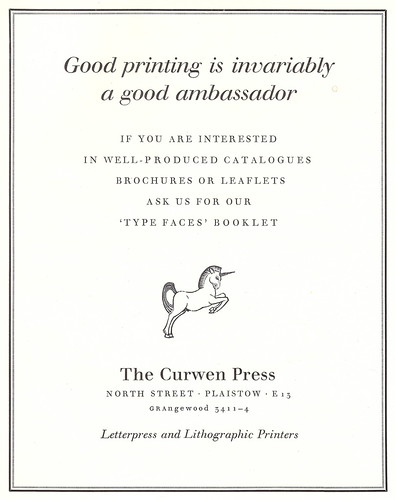
Harold Curwen appointed Joseph Thorp as consultant to the press in 1918 who suggested the press adopt a mark. It was the unicorn that was selected and over the years many distinguished craftsmen have given their own interpretation of this mark. The mark is designed to embody ‘pride, purity, endurance and matchless spirit’.
Thorp was able to head on the road to sell Curwen’s printing as Harold found a voice for the press. Harold issued adverts inviting customers to ‘Get the spirit of joy in your printed things’, and offered that ‘I arrange and make COURAGEOUS PRINTING’.
Oliver Simon’s appointment in 1920 as a trainee gave further strength to the artistic changes of the Press as it moved from the side-business of a music publisher to a well-recognised printing house. It was Oliver Simon that led The Fleuron which was printed on some occasions by the Curwen Press.
Music and Printing Split
As the quality and status of printing work grew, the bonds between the music publishing and printing side of the business weakened — one was no longer completely dependant on the other.
In 1933 the Curwen firm was formally split: J Curwen & Sons became the music publisher, which ran until 1969; and Curwen Press Ltd. was the name of the printer.
Quality Jobbing Work
The focus moved from music to more general printing, and key to offering excellent jobbing work was to bring the standards of book printing to jobbing work. Curwen sought to offer the same quality in the smallest, ephemeral work as the largest and most prestigious books.
Between 1923 and 1925 Curwen adopted Maximillian, Rudolf Koch’s Kursiv and Walbaum. Walbaum remained exclusive to Curwen in the UK until 1933 when Monotype began to offer Walbaum on their casting system.
World War II
Curwen’s location in Plaistow was less than two miles from the Luftwaffe targets of London’s docklands. The press was damaged severely during the Blitz, but work carried on as usual, with roofing temporarily repaired, and tea provided whether gas and water were still working or not. Unfortunately a large amount of Curwen’s original music printing plates were destroyed by enemy action. John Curwen’s original chapel, with it’s thick walls, remained standing.
Typography for Hospitality
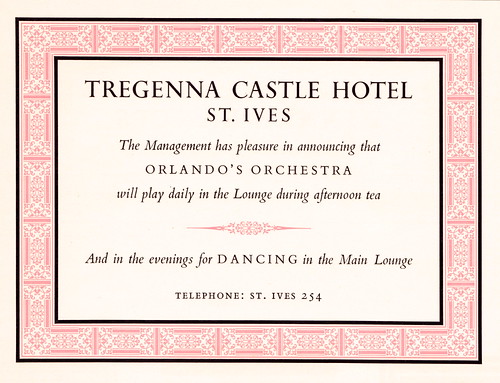
Charles Mayo was appointed designer to the British Transport Commission in 1954 and sought to raise the standard of railway printing. He patronised the Curwen Press and found a partner in the press that devoted effort to great printing; could use letterpress to best advantage; and gave a distinctive style to their printing.

Curwen’s Bert Smith was a hugely skilled compositor with a flair for making great use of Monotype’s increasing output of well-designed border units. Smith’s style was the subject of a 1958 Monotype Recorder, Typography for Hospitality, which is available on the Metal Type website. That number of the Recorder was printed by the Curwen Press.
Bert Smith retired from Curwen Press in 1964 and died in November 1983. The style continued after Smith’s retirement, and the example here is from 1967.
The 1960s and Beyond

By 1965 a reinvigorated Board decided to go for higher levels of output to keep the firm’s standards high and fund the new machinery and equipment to stay current. Four-colour offset machinery was installed in 1965 and this was partnered with a small firm — Harleyprint — that Curwen had bought in August 1964.
It is scarcely exaggerating to say that, for the Curwen Press at that time, letterpress represented the only true faith and that offset printing, although lithography had been practised at Plaistow for longer than in most printing firms, was not of a similar standing.
– Basil Harley, quoted in the Penrose Annual 1978
Curwen found itself with around 250 employees and ambitions to achieve the same high standards in colour litho as it was famous for in letterpress. The firm was well-connected with the spectrum of British industry and establishment: work for HMSO, the Independent Television Authority, Rio Tinto and UNICEF was all carried out. Work ranged from ephemera to the finest reproduction of artistic volumes.
Closure
According to most of my papers, Curwen Press closed in 1984. The Gazette records that liquidators were appointed in August 1985. Happily, many of the letterpress artefacts lived on through smaller letterpress printers. Ian Mortimer still uses the amazing furniture and racks from the press, and Alan Brignull uses a case of Caslon from 1957.
Year and Era
1863 / Commercial
Object Type
Firms and Organisations
Location
St Mary’s Road, Plaistow, London
Sources and More Information
- Simon, Herbert, Song and Words: A History of the Curwen Press, 1973
- Harley, Basil, The Curwen Press, a Short History, 1970
- Richardson, Bob, Small Printer: International Man of Mystery, 2021
An Appeal
If you have something linked to this object, please get in touch.
““The Plaistow Wallpapers”, designed by Edward Bawden & issued by the Curwen Press — advert in Design Magazine, 1934” flickr photo by mikeyashworth https://flickr.com/photos/36844288@N00/4451282107 shared under a Creative Commons (BY-NC-ND) license