
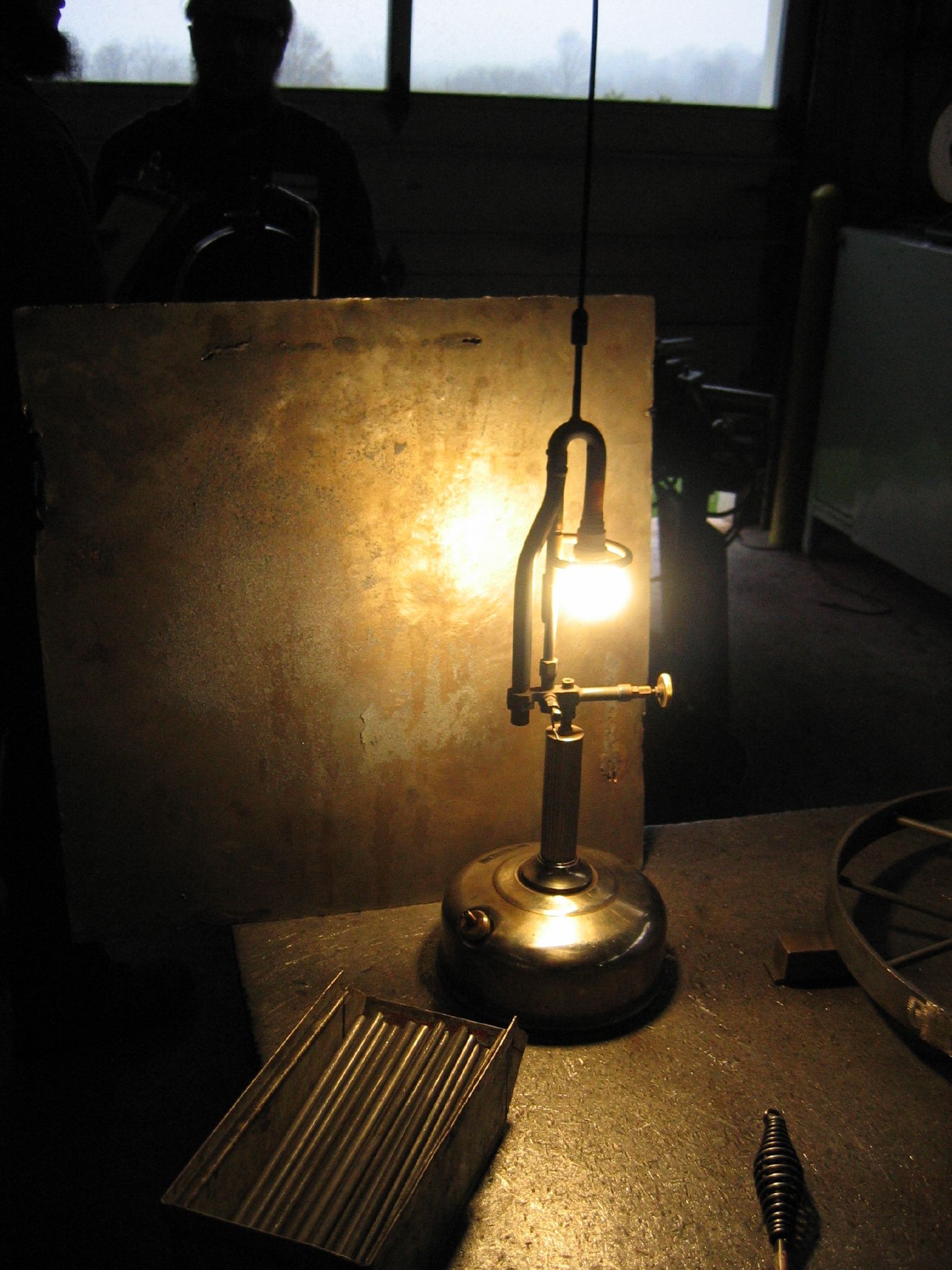
There’s evidence that gas has been used for lighting including in China in 500BC, with gas transported through bamboo pipes; but here we’re talking about the industrial age.
Our hero in this article gets only a footnote mention in the Wikipedia article, hidden under the name of his employer, Sir James Lowther. Mr Carlisle Spedding is the main focus here, suggested by some to be the Brunel of Cumbria.
Spedding was employed by Lowther, and found around 1730 that the large seam of methane gas found in the mine could be piped to the surface and used for light. Spedding lit the pit works with this gas, and offered the town of Whitehaven to have the surplus gas for free to light the Borough. Whitehaven, of course, declined and it’s citizens had to wait until 1831 to benefit from gas light.
Regrettably, Spedding died in 1755 being trapped in a mine that had filled with the methane (or firedamp, as miners call it) that he had offered to light Whitehaven with.
William Murdoch from Ayrshire was first to work out how to generate gas reliably. He found that coal gas — the gas given off when coal is heated without oxygen — would produce light. He used this to light his own home in Redruth and then the Soho Foundry in Birmingham in 1798.
It was 1891 before the gas mantle, a cloak around the flame that glows when heated. This provided a more efficient, whiter light than pure gas lamps. It’s this light yellow glow that even now you might have seen in old caravans or some selected streets in cities.
Printing Links
There were two big links to printing that gas lighting opened up. With gas lighting being a quarter of the price of candles and lamps it was possible for factories to remain open longer, this included printing works. It quickly became economical for printers to spend more time printing.
Secondly, gas lighting at home made reading easier and possible for longer periods. This drove demand for books and other printed matter.
I do wonder, too, whether street lighting made more attractive the Victorian enthusiasm for bill posting, and how printers responded to a light that changed the appearance of colours depending on whether it was daylight or gas light landing down on the poster.
Gas Lamps Today
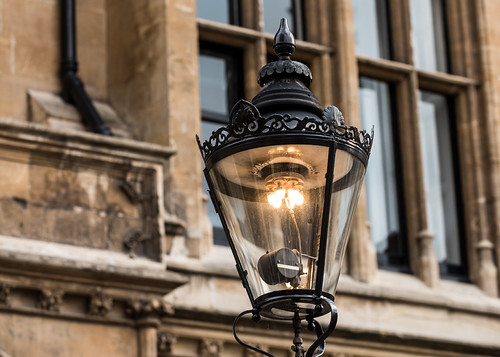
You might remember gas lamps in older caravans. Quite unlike any other lights they hiss and pop, warm the space and cast a light yellow glow. I did meet a printer in Liverpool once who was working from a lock-up garage. He’d transplanted his gas lighting from a caravan to the garage as there was no electricity, either.
In some town centres gas lights still exist. In London, the Gasketeers are campaigning to stop Westminster Council from removing their gas lamps. In Leeds, Queen’s Square was gas lit when I last visited in 2018.
In Sheffield at high points of the sewer system, gas is burned off through their sewer gas lamps.
Year and Era
1730 / Craft
Object Type
Other Objects
Location
Whitehaven, as home to Carlisle Spedding, the first person to light his works with gas in the UK.
Sources and More Information
An Appeal
If you have something linked to this object, please get in touch.
Header Image: “gas lamp” flickr photo by sworm https://flickr.com/photos/sworm/415778462 shared under a Creative Commons (BY-NC) license