Tag: Equipment

  • Equipment for your Printing Works

    Equipment for your Printing Works

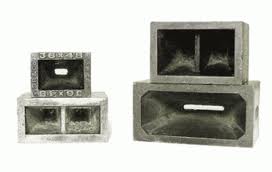
    Chase, fur­ni­ture and bor­ders (from Alan Brignull)

    Print­ing works of all sizes hold an unhealthy fas­ci­na­tion for me.  Since see­ing my first com­mer­cial book print­ers at the Incline Press, and then works rang­ing from the small (like St. Mar­garet’s Press) to the largest (Hand & Eye Let­ter­press), I have been keen to doc­u­ment what is need­ed to make a print­ing works.

    In try­ing to help new print­ers, I want to be able to say ​‘here is what you will need’, and ​‘here is what to look out for’.

    I have used a num­ber of sources and tried to bal­ance this list with my per­son­al expe­ri­ence.  Here you will find my list of every­thing you will need — aside from type and press.  I have also divid­ed the list in to a ​‘starter’ sec­tion and an ​‘advanced’ sec­tion — although you should be able to pro­duce top-qual­i­ty work from the ​‘starter’ sec­tion, where space and mon­ey per­mit you can prof­itably move through to the ​‘advanced’ sec­tion.

    I would tru­ly appre­ci­ate any com­ments you might have on this list.

    Compositor’s Tools

    Starter Advanced
    Type Scale: met­al if pos­si­ble, then plas­tic, then wood Set­ting rules: grad­u­at­ed, pre­ci­sion-cut brass rules to set the com­pos­ing stick to a deter­mined length
    Tweez­ers and Bod­kin (although the use of each of these is dis­cour­aged) Make-up gal­ley: a spe­cial gal­ley with one side that can be set to the line length.  As lines are moved from the stick, they can be set in this gal­ley to be sure that lock-up will be an eas­i­er activ­i­ty
    Com­pos­ing Sticks (ide­al­ly 8″ and 12″)

    Spacing

    Starter Advanced
    Fur­ni­ture: wood, lead or steel, but see ​‘advanced’ for bet­ter options.  Stan­dard sizes are 24, 36 (or Nar­row), 48 (or Broad), 60, 72 (or Dou­ble Nar­row) and 96 pica (or Dou­ble Broad) More pre­cise fur­ni­ture: made of alu­mini­um or plas­tic (Formi­ca)
    Leads: typ­i­cal­ly in 1, 1½, 2, 3 or 4pt.  In start­ing out you might want to stan­dard­ise on length (usu­al­ly mul­ti­ples of 5 or 6 pica) and width (usu­al­ly 1½ and 2pt) Inter­lock­ing Fur­ni­ture: this con­sists of iron bars with mitred ends that can be assem­bled togeth­er to form large ​‘frames’ of space bor­dered by met­al bars
    Reglet or Clumps: usu­al­ly 6 or 12pt wide.  Reglet is the term for wood (usu­al­ly oil-soaked) and clumps for met­al
    Quo­ta­tions or Quads: essen­tial to fill small area of white space

    Imposition

    Starter Advanced
    Quoins: ide­al­ly Not­ting but pos­si­bly Wick­er­sham, Hempel or — as a last resort — wood Presci­sion quoins: torque quoins (that exert a giv­en force), or reg­is­ter quoins (that have mark­ings to show the exact amount of force)
    Lead and rule cut­ter: with microm­e­ter adjust­ment if pos­si­ble Mitre­ing machine: either rotary (a ​‘bowler’), ver­ti­cal, or pow­ered
    Slug cut­ter
    Pow­ered saw
    Machine chas­es (those that come with your press) Spe­cial­ist chas­es: book, fold­ing, job­bing
    Page cord to tie up blocks of lines, ide­al­ly using fur­ni­ture with chan­nels to acom­mo­date the cord “Quick‑S Lock­up” inter­lock­ing met­al cor­ners with sprung edges
    Impos­ing sur­face: start­ing with a gran­ite chop­ping board or thick glass; to steel sur­faces Type-high gauge
    Mount­ing sur­faces for blocks

    Furniture (for the works, not for the forme)

    Starter Advanced
    Small type cab­i­net and cas­es: usu­al­ly Adana cas­es in var­i­ous sizes Full-size print­ers type­cas­es and cab­i­net, spe­cial­ist cas­es for blocks, script, woodlet­ter, rule etc.
    Lead stor­age: can be a box divid­ed in to stan­dard lengths Lead and fur­ni­ture racks
    Gal­leys to store stand­ing jobs Ran­dom top on which to put type cas­es while set­ting type
    Space bins
  • Leading and other Spacing Materials

    Leading and other Spacing Materials

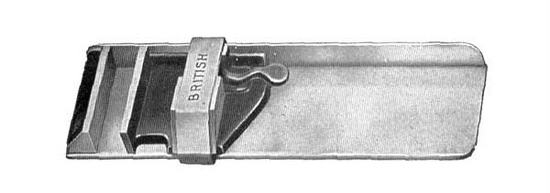
    Quotes from Composing Room Stores
    Quotes from Com­pos­ing Room Stores

    Lead­ing is a term that has made it’s way to the graph­ic design­er’s com­put­er.  It defines the gap between lines and in let­ter­press print­ing it is done by insert­ing a thin strip of lead.

    Leads are around the same height as spac­ing and so don’t print.  They vary in length and also width.  On width, leads are sup­plied in point sizes and are most com­mon­ly avail­able in 1, 1½, 2 and 3 points.  It can be con­fus­ing to deter­mine the dif­fer­ence between dif­fer­ent sizes when com­pos­ing, so in some cas­es it might be wise to stan­dard­ise on one or two sizes.  It’s dif­fi­cult to detect the 0.007″ between 1 and 1½pt leads.  On length, they should be accu­rate­ly cut and your sup­pli­er will nor­mal­ly do this.  If you are cut­ting then you need to be as pre­cise as pos­si­ble.  It is also worth­while to cut leads ½pt short­er than the page mea­sure used to help over­come the prob­lems of squeeze.

    Be care­ful in your use of leads: Per­pet­ua is the best exam­ple of a small x‑height face and Plan­tin has a large x‑height mean­ing they look small­er and larg­er than each even when on the same body (of, say, 12pt).  Adding lead­ing to Per­pet­ua will light­en the page; and hav­ing no lead­ing in Plan­tin will make for a very dark page.  There are no stan­dards to say what lead­ing will work for each page, that is a mat­ter for you as the typog­ra­ph­er.

    Leads are nor­mal­ly stored in racks with dif­fer­ent com­part­ments for each length and sizes so that they can be eas­i­ly found.  Remem­ber that leads can also be com­bined: there is no need to keep a 40em lead when two 20em leads can sit next to each oth­er.  If you are short of space you could stan­dard­ise here on 6em mul­ti­ples so that you can cov­er 6, 12, 18, 24 and 30 ems which should account for most prac­ti­cal uses.

    Clumps

    Clumps can be thought of as extra wide spaces: they are usu­al­ly made in mul­ti­ples of an em and so 12pt clumps will nor­mal­ly be 12, 24, 36 or 48pt wide.  They are made of the same mate­r­i­al as spaces and are the same height.  A sec­ondary use here is in word spac­ing for larg­er type sizes: a 12 x 36 pt clump makes a use­ful space for 36pt type.

    Reglet

    Reglet is line spac­ing that is larg­er than leads.  Almost always made of wood and the same height as leads, it is used to give more space between lines and is most often employed on title pages or notices to cre­ate white space between lines.  Again, this is often sup­plied pre-cut but can be sup­plied in long lengths to be cut by the print­er.  Adana sold a small saw and mitre block for this pur­pose.

    Quotations

    Next in terms of size are quo­ta­tions, orig­i­nal­ly designed to cor­rect­ly space side-notes and quo­ta­tions in book work.  They are met­al and full spaces that are mul­ti­ples of clumps.  Typ­i­cal­ly 48pt and larg­er they are an accu­rate way of fill­ing space.

    Furniture

    Fur­ni­ture is the largest of the spac­ing mate­r­i­al.  Orig­i­nal­ly wood, it is sup­plied in ems rather than points.  Find­ing wood to suf­fer from warp­ing and eas­i­ly dam­aged, print­ers began to use met­al fur­ni­ture (from the same mate­r­i­al as spaces), and then alu­mini­um gird­er pat­tern fur­ni­ture which was lighter.  One devel­op­ment was the use of a Formi­ca-derived mate­r­i­al called Resalite.  Stephen­son, Blake claimed this was bet­ter than met­al fur­ni­ture because dam­age on one dimen­sion would not cause prob­lems with accu­ra­cy.

    Again, you might have the oppor­tu­ni­ty to stan­dard­ise on one or two widths and 6em mul­ti­ples of length to save space and time.

    Curvilinear Quadrats

    This rather grand sound­ing mate­r­i­al is used to set curved lines of type.  It’s not used too often now, but the was a fad for firm names to be set in an arc or cir­cle.  These are always sup­plied in pairs and have two sur­faces that match each oth­er.  Type is set between them and then locked up.  There are a num­ber of meth­ods used to get this to work cor­rect­ly: set­ting type against sticky tape to hold them in place; or spac­ing them with wet paper to form a sold mass once dry.

  • A Small Printing Office

    A Small Printing Office

    Big type founders used to sup­ply ​‘com­plete print­ing offices’ described in great detail in their cat­a­logues. They might include hun­dreds of pounds of type for a news­pa­per set com­plete­ly by hand.

    Small­er con­cerns have more mod­est needs; and the require­ments for a print­ing office for the cur­rent small print­er aren’t dra­mat­i­cal­ly dif­fer­ent from those of fifty years ago. This list is adapt­ed from both Print­ing for Plea­sure by John Ryder and oth­er book­lets on small print­ing.

    A Small Press

    Ryder sug­gests Adana machines (espe­cial­ly the Adana QH), or Mod­el press­es. Rollers will be need­ed

    Type

    The wide­spread advice is to choose one face and stick with it.  Once you have a set­tled view of the type you want, the recomme­da­tions are –

    • From Print­ing for Plea­sure
      • Two ​‘card founts’ of 12pt, 18pt and 24pt Roman (for 12pt, this would be around 20A 32a)
      • One ​‘card fount’ of 12pt, 18pt and 24pt Ital­ic (at 12pt, this would be around 10A 16a)
    • From Basic Print­ing: Let­ter­press for the Begin­ner by the BPS
      • 2kg (c. 9A 18a) of 18pt Bold
      • 2kg (c. 20A 40a) of 12pt Bold
      • 2kg (or 4kg of finances allow) of 12pt Roman
      • 2kg of 12pt Ital­ic
      • 1kg (c. 22A 44a) of 8pt Roman

    Oth­er things from type founders that are need­ed are –

    • Spac­ing (c. 1/2kg per size)
    • Quads
    • Hair spaces
    • Leads
    • Bor­ders:

    Other Items

    • Fur­ni­ture: alu­mini­um, plas­tic (Resalite) or wood — 2 or 3 times are area of the chase of the machine
    • Quoins: expand­ing met­al.  May also need nar­row mar­gin quoins
    • Print­ing rules (brass or from the type founder)
    • Reglet

    Tools

    • Com­pos­ing stick
    • Bod­kin
    • Tweez­ers
    • Plan­ing block
    • Type­scale
    • Impos­ing sur­face
    • Lead cut­ter
    • Ink knife
    • Hand rollers

    Storage

    • Type cas­es and cab­i­nets
    • Gal­leys