
From the Historic England blog, a Brief Introduction to England’s Secret Printing Presses.
Tag: History
-
Spitalfields Life: Caslon Letter Foundry (Part 2)
The Gentle Author again looks at typefounders, and unearths historical images of the Caslon Letter Foundry
-

The Printing Industry in 1965
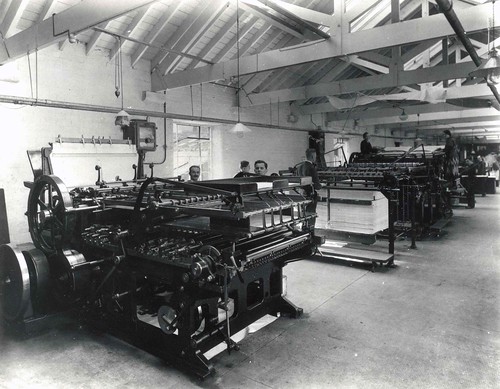
Print room at Oliver & Boyd (from Flickr) Having already published schemes to help the printer cost his work and provide accurate estimates, the British Federation of Master Printers turned it’s attention to office procedure and in 1965 produced Printing Office Procedure, a six-volume work to train those new to printing offices in the details of administering the work that passed over their desks. Volume 1 also includes a description of the state of the printing industry at that time. This article looks at the way the industry worked.
Before we look at printing, it’s worth getting a flavour of what Britain was like in 1965. Things look optimistic: the Post Office Tower opens, the miniskirt is sold by Mary Quant, the Government looks at introducing a drink-drive alcohol limit and the death penalty for murder is abolished. In terms of the printed word, the vast majority of what you’d see is still printed by a printer: the only practical means of getting words on a page for the public is to hand-write or use a typewriter.
There were 4,000 firms in the British Federation of Master Printers (the employers’ organisation). The size of the firm was generally small: 40% of those firms employed fewer than ten people; 22% fewer than 24 people. Some 220,500 staff were employed in the industry, but most were engaged by firms between 100 and 500 people in size. At the top end, only 60 firms had more than 500 people and just 20 had more than 1,000 staff.
Printing was predominantly letterpress, with offset lithography beginning to make advances that would see it eclipse letterpress commercially. More than 3,500 of the 4,000 firms were ‘mainly letterpress’. Because phototypesetting and computer typesetting were very much in their infancy, where printers did want to print offset they needed a letterpress original. This is a curious period in printing where a very precise letterpress process was used to generate a copy that could be photographed to make a litho plate. Only 10% of the firms were ‘mainly litho’, the remainder being photogravure. Some printers had more than one process in-house and some used additional processes: collotype, die-stamping, flexographic printing, for example.
The report notes that “Every town in Great Britain of reasonable size is served by a number of smaller printers, originally established to meet the demand for general printing in their own locality”. There are some significant exceptions, however, where specialised processes or centres are established to serve one particular market. There was also a tendency to move away from the centre of cities since World War II when damage to buildings forced some firms to relocate to other areas.
Stepping back at little and looking at these numbers, it’s easy to see that a great secondary industry was needed to support these businesses and employees. While paper consumption may have changed little, it’s the ink makers, printers’ engineers and furnishers, press makers and type founders that would have relied on that mass of letterpress printers.
In terms of organisation, the industry was governed by a number of organisations — knowing that they had been under some sort of organisation since Elizabethan times. Employers were grouped in the Newspaper Proprietors’ Association and general printers in the British Federation of Master Printers. Employees unions were grouped in to the Printing and Kindred Trades Federation with 386,000 members.
Printers were still keen to secure the best advice to improve the process and PIRA, the research organisation for the paper and board, packaging and printing, filled this role. It was funded by ‘voluntary subscriptions’ from firms but also a Government grant. They offered technical support and carried out their own research with physical, chemical, biological and mechanical testing expertise.
Education was something encouraged by employers and employees alike. There were three major routes in to the industry: a traditional apprentice with release to study part-time; entry to the office with qualifications from the BFMP; and finally full-time study at one of the many local specialised technical colleges. The key colleges being London College of Printing, Manchester College of Art and Design, Leeds College of Technology, Watford College of Technology, Edinburgh’s Napier Technical College and Glasgow College of Printing. The Institute of Printing was a body to set standards for examinations in the craft side of the industry.
This ends our look at 1965: letterpress was still dominant, hundreds of thousands of people worked in the industry all supported by a vast web of suppliers and manufacturers and printing was done locally in your own town.
-
Printing Industry
For many, letterpress is an engrossing subject and while it’s important to do the printing, it’s also nice to see how letterpress fits in with the wider world and also see the technicalities of printing.
This section of the site hosts the ‘background’ to letterpress — I hope you find something interesting here.
In this section
-
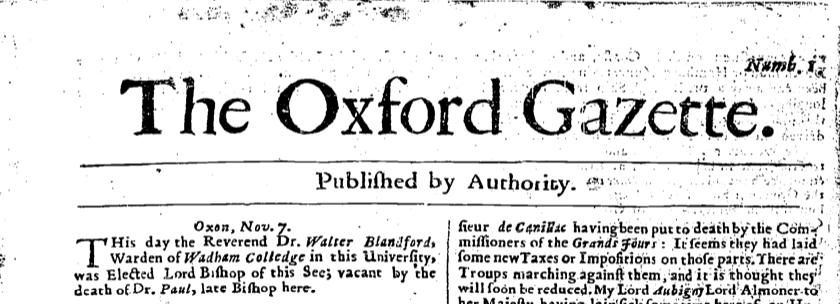
The Oxford Gazette
Britain’s ‘Journal of Record’ first published in Oxford, while Charles II fled the plague in London.
-
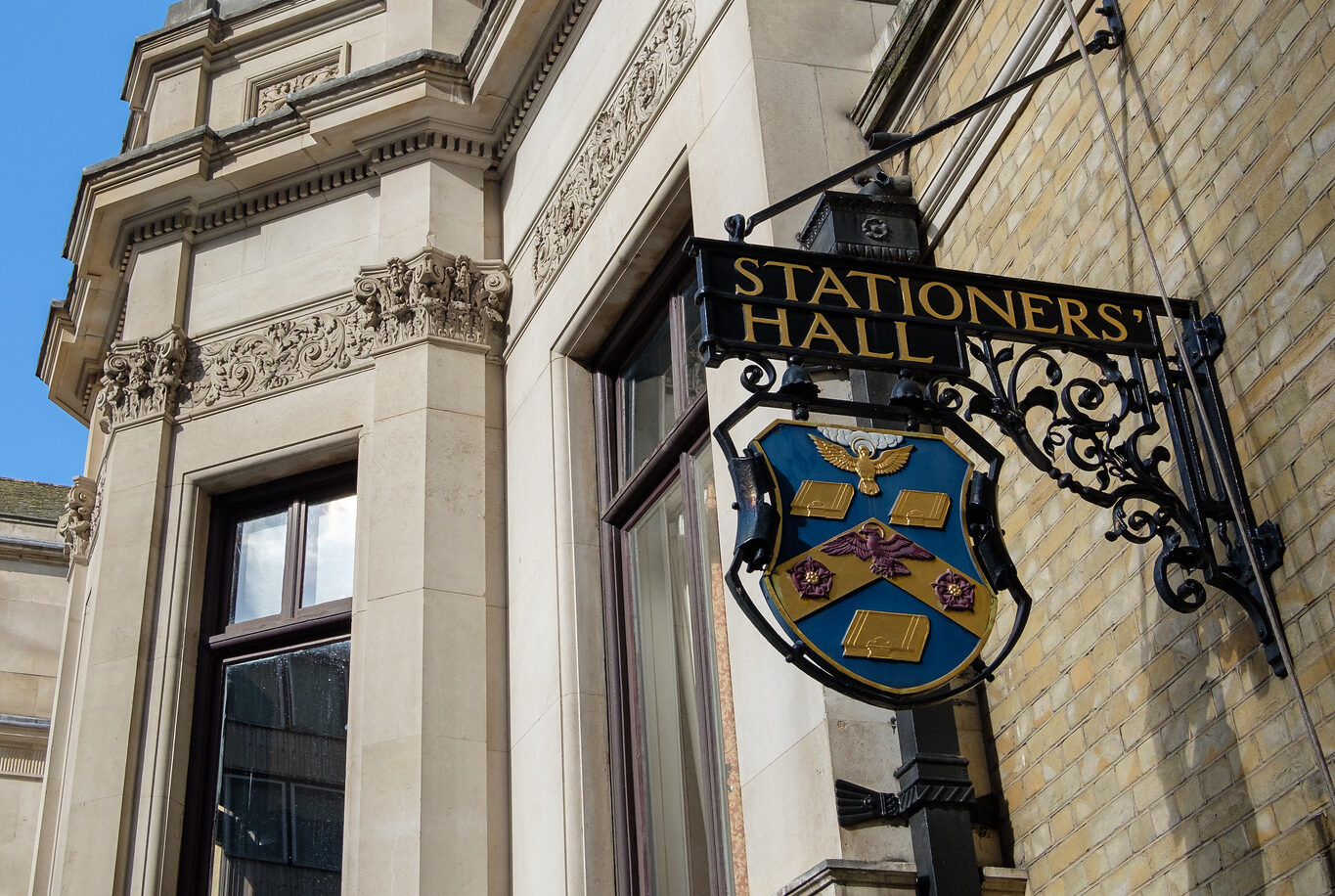
Stationers’ Company
In common with other European countries, Guilds were formed where men had common economic interests and objectives and these had different degrees of control on their trades until the end of the 18th century, or beginning of the industrial revolution. In London, the Mayor and Chamberlain leased stations for trading purposes around St. Paul’s and…
-
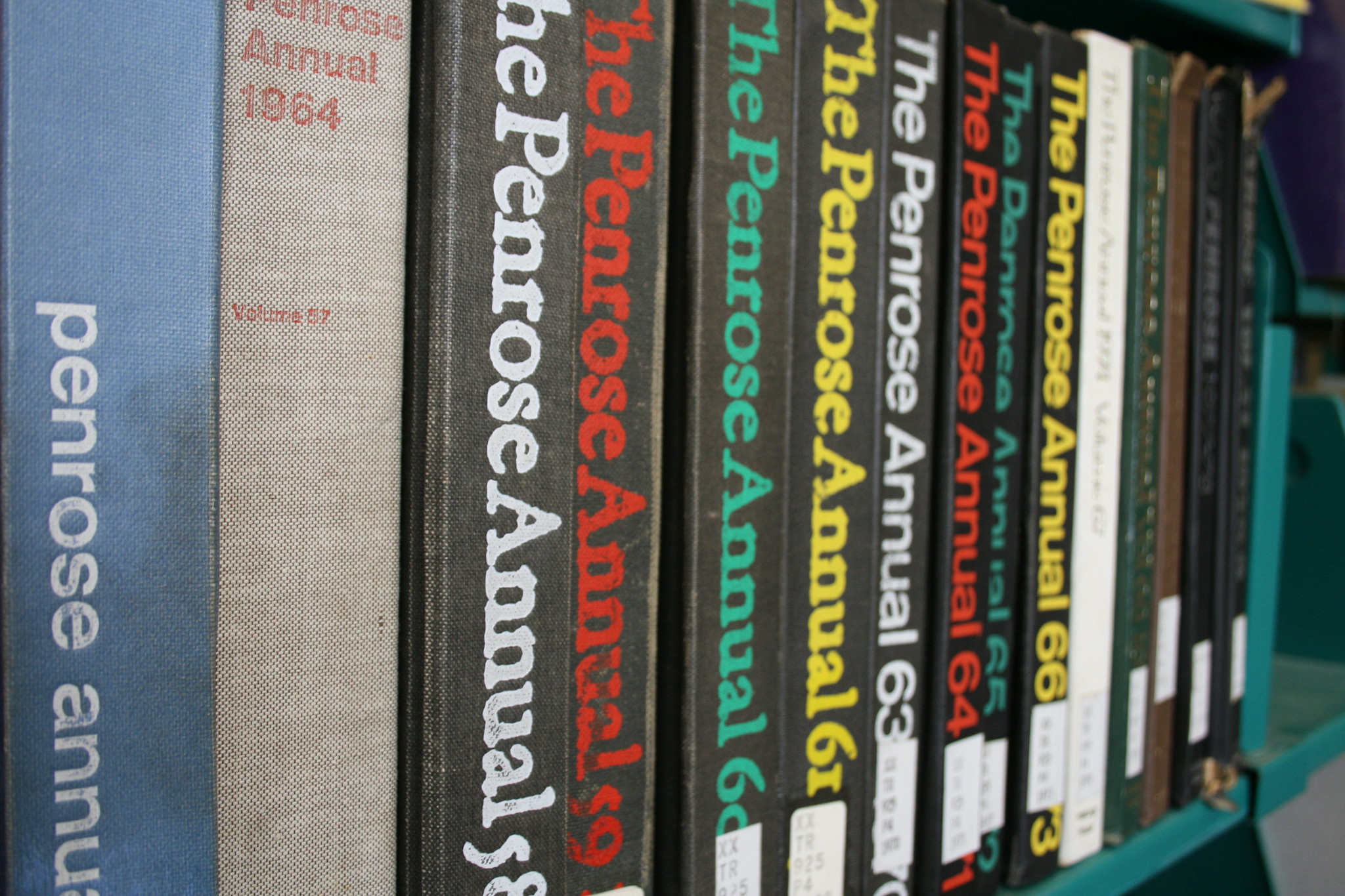
Penrose Annual
The compendium that traced the finest printing and state of the art since 1895
-
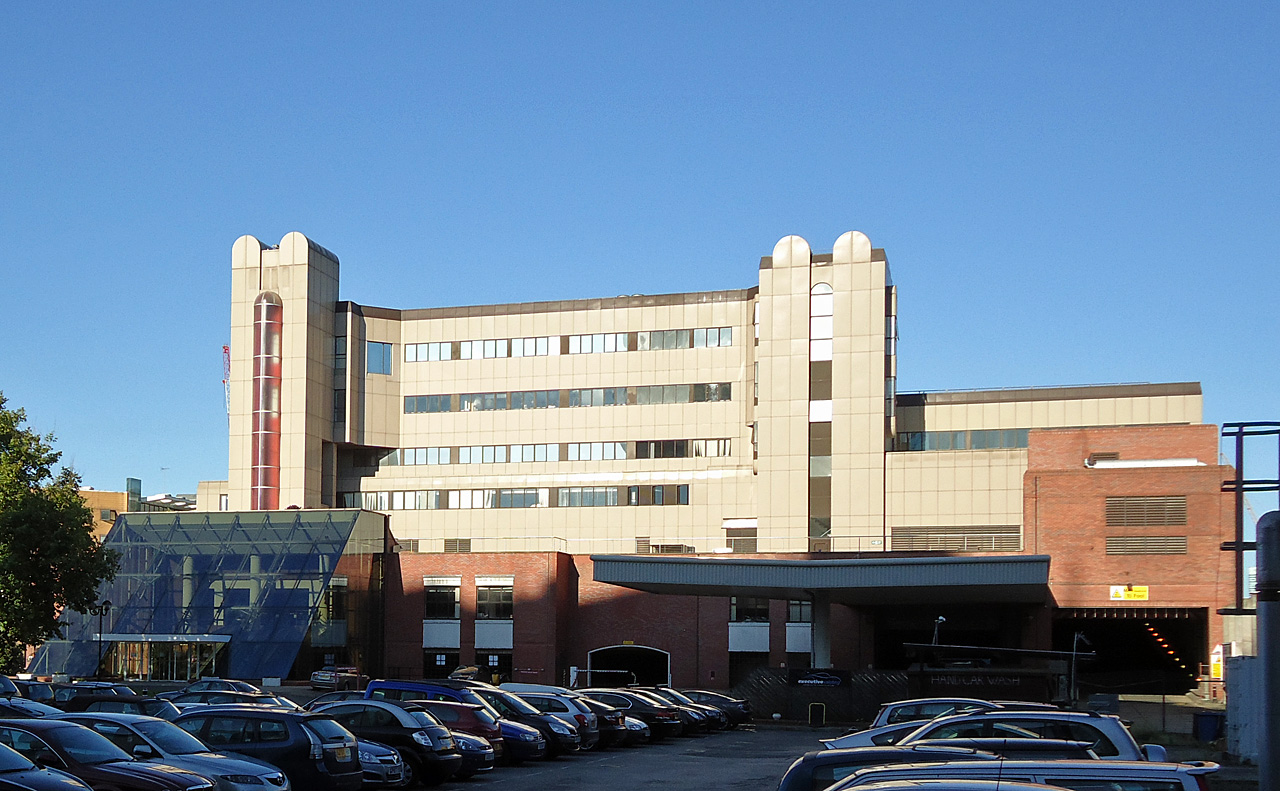
Fleet Street Strikes
The mid-1980s newspaper dispute that changed the face of UK newspapers.
-
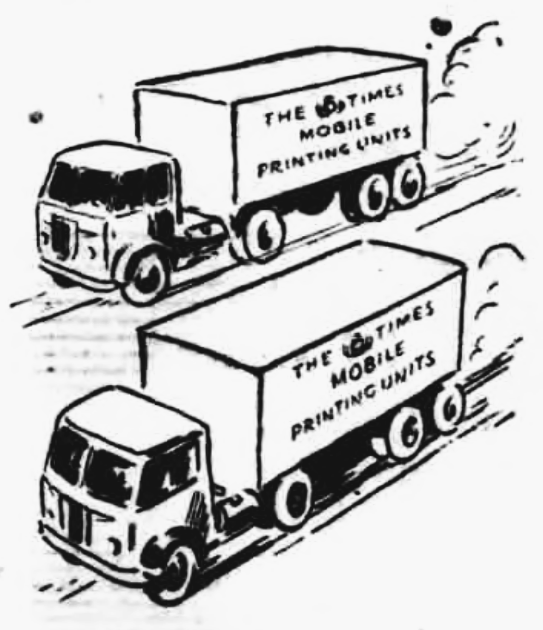
Times Mobile Printing Unit
How The Times planned to keep printing newspapers, even if their London base was destroyed in nuclear war.
-
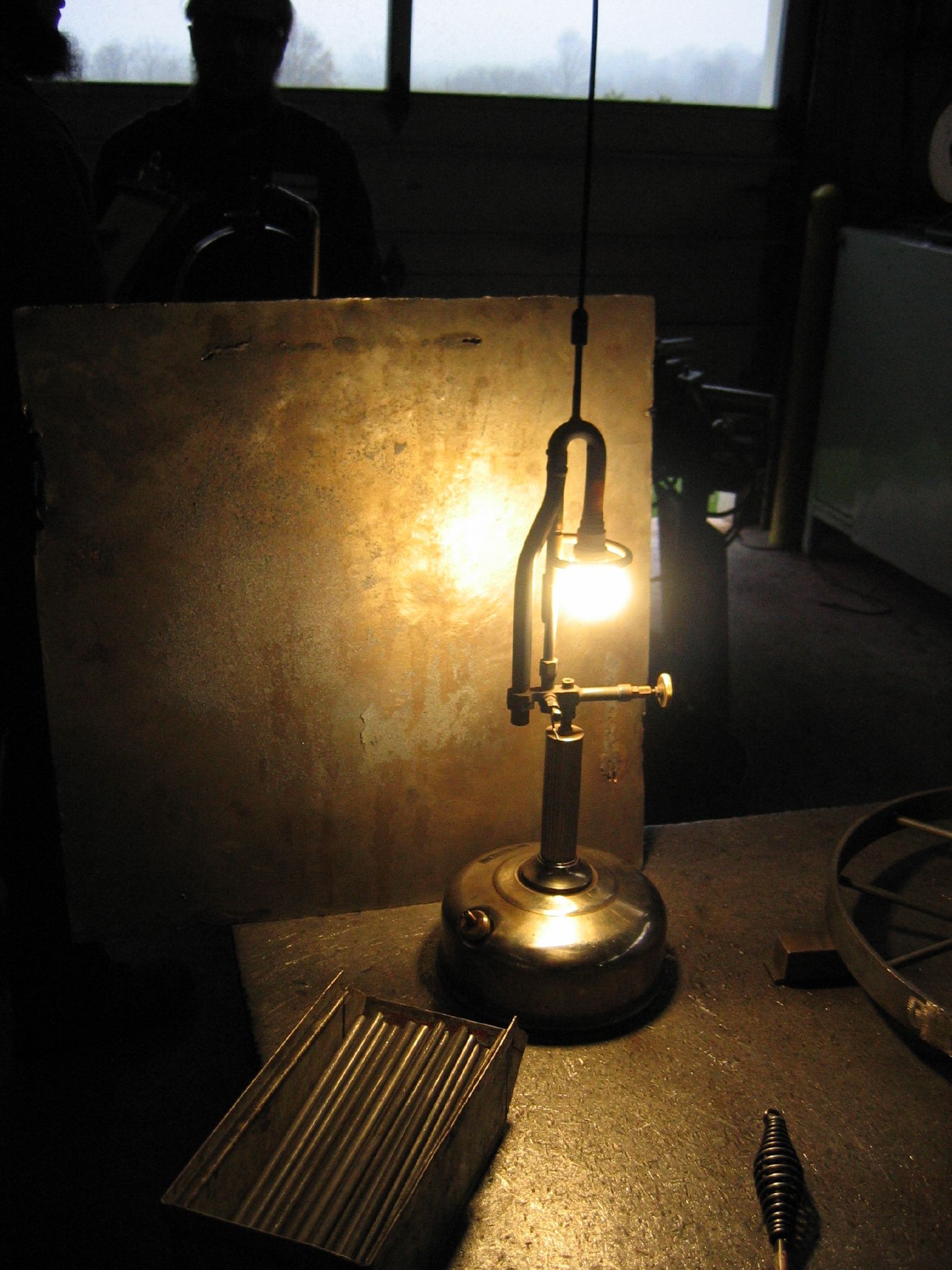
Gas Lighting
There’s evidence that gas has been used for lighting including in China in 500BC, with gas transported through bamboo pipes; but here we’re talking about the industrial age. Our hero in this article gets only a footnote mention in the Wikipedia article, hidden under the name of his employer, Sir James Lowther. Mr Carlisle Spedding…
-
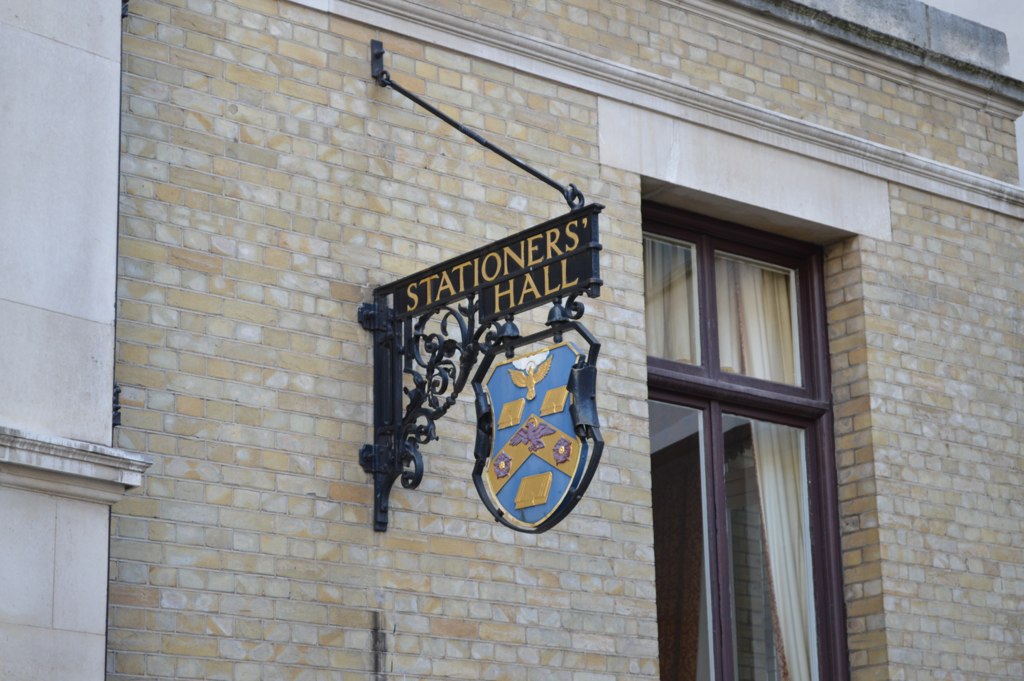
Stationers’ Company
The one-time all-powerful Guild protecting the ‘mystery’ of printing in London
-
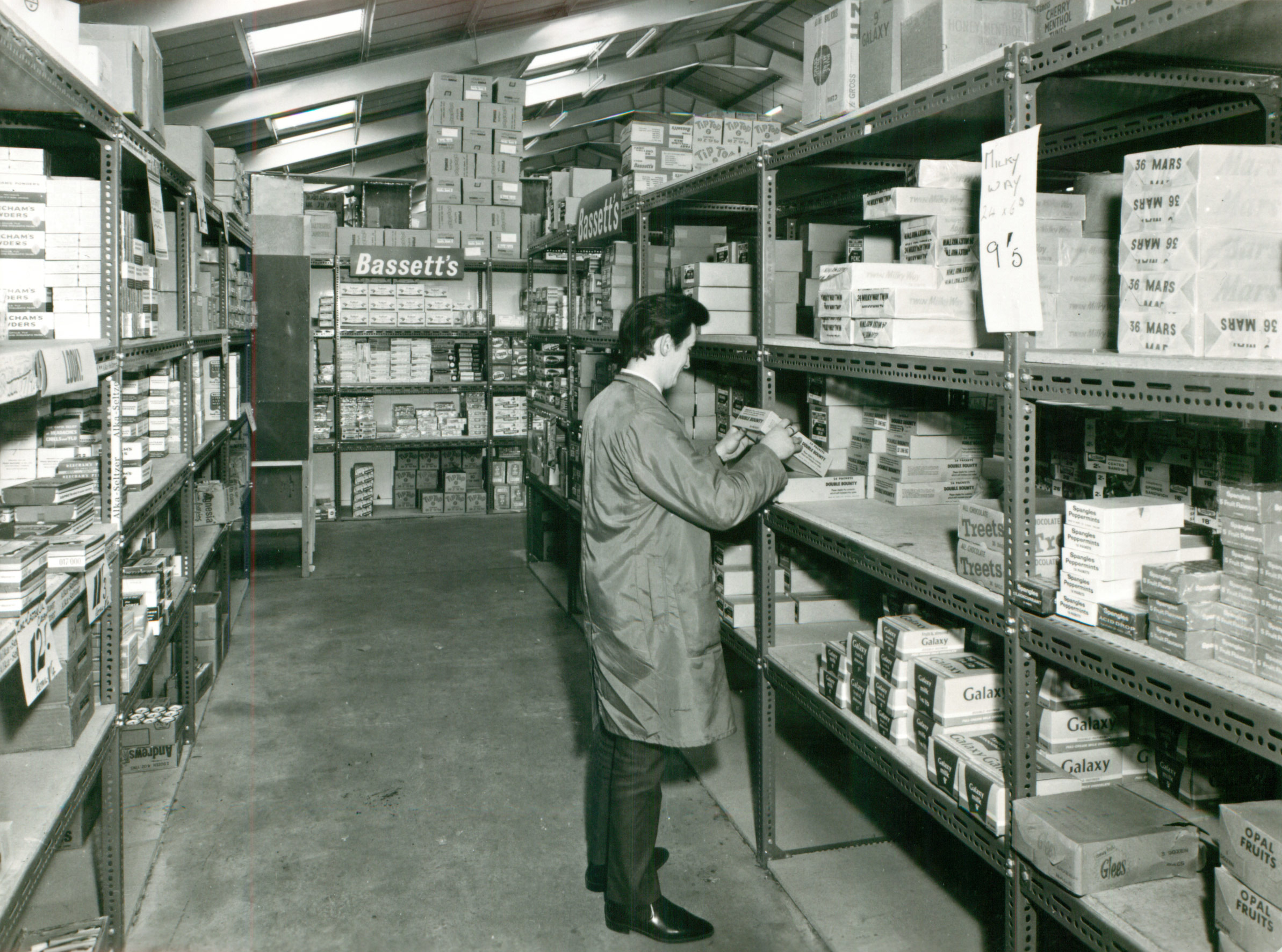
Dexion
Dexion is an example of Slotted Angle, described by the BFMP as “a post-war development on the principle of the Meccano unit construction but in sizes appropriate to industrial application. It is of inestimable value to industry in general and has wide actual and potential application in the printing industry.”
-
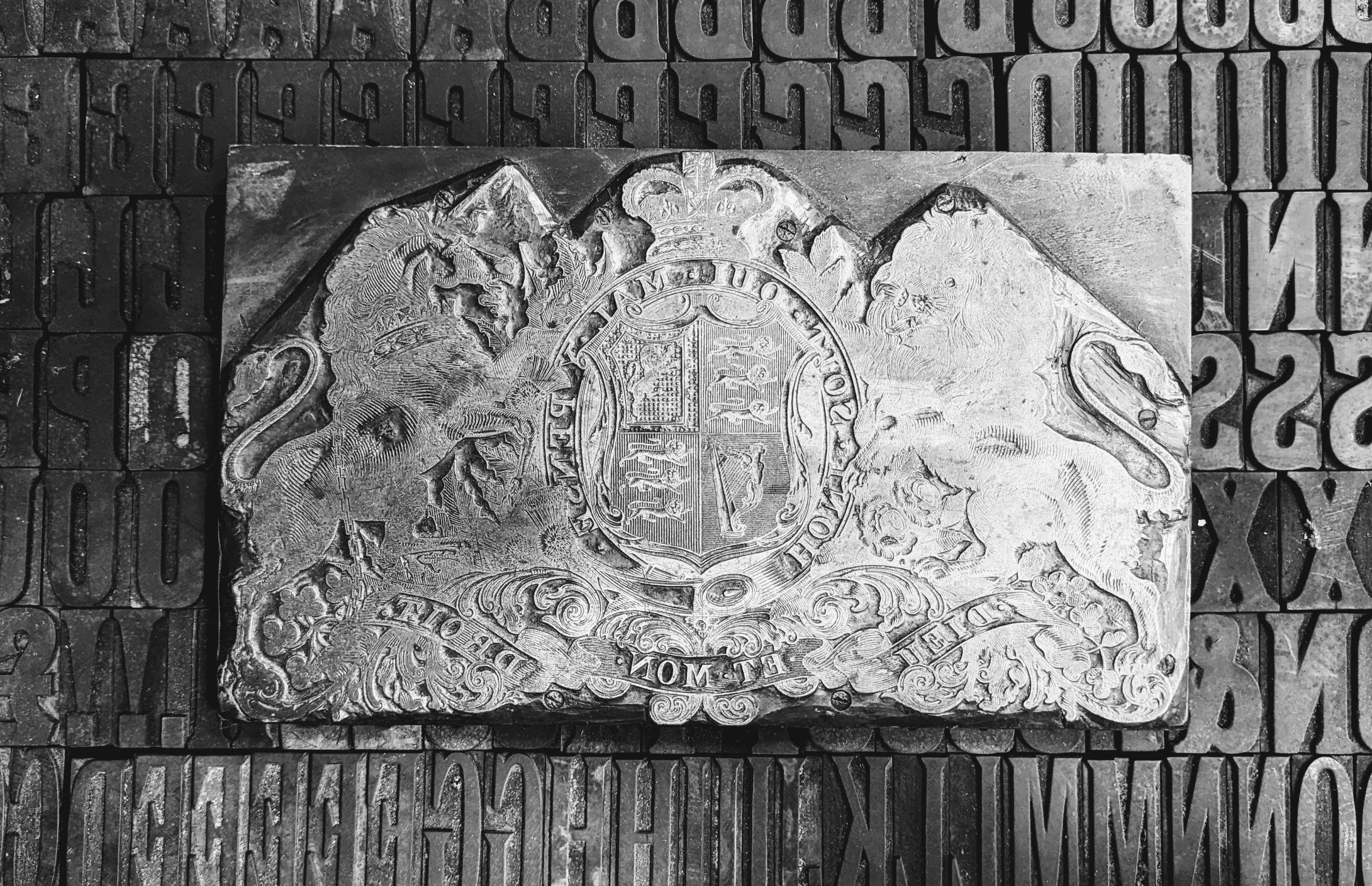
Printers’ Royal Arms
Royal Arms have always conferred an air of authority on printed items and printers have sought to use this in their work.
-

Efficiency and the Small Printer
A comprehensive look at efficiency and the small printer
-
The Printing Industry in 1965
A summary of the what the UK’s printing industry looked like in 1965
-

Organisation of a Printing Office
Your dreams have come true! You’re now General Manager of a printing works, but just how should you organise your empire?
-