Tag: home

  • Presses

    Presses

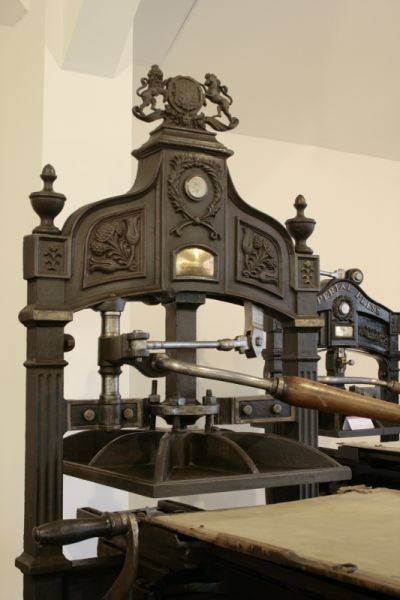
    Let­ter­press Print­ing Machines (and nev­er Let­ter­presses!) were made to cater for almost every need: from tiny cards to news­pa­pers and posters. I’ve cho­sen a rather arbit­rary sys­tem to group them: small press­es; plat­en press­es; iron hand press­es and cyl­in­der press­es.

    Have a look around: you might be able to select your next press or learn a lit­tle more about the equip­ment you have.

  • Printing Industry

    Printing Industry

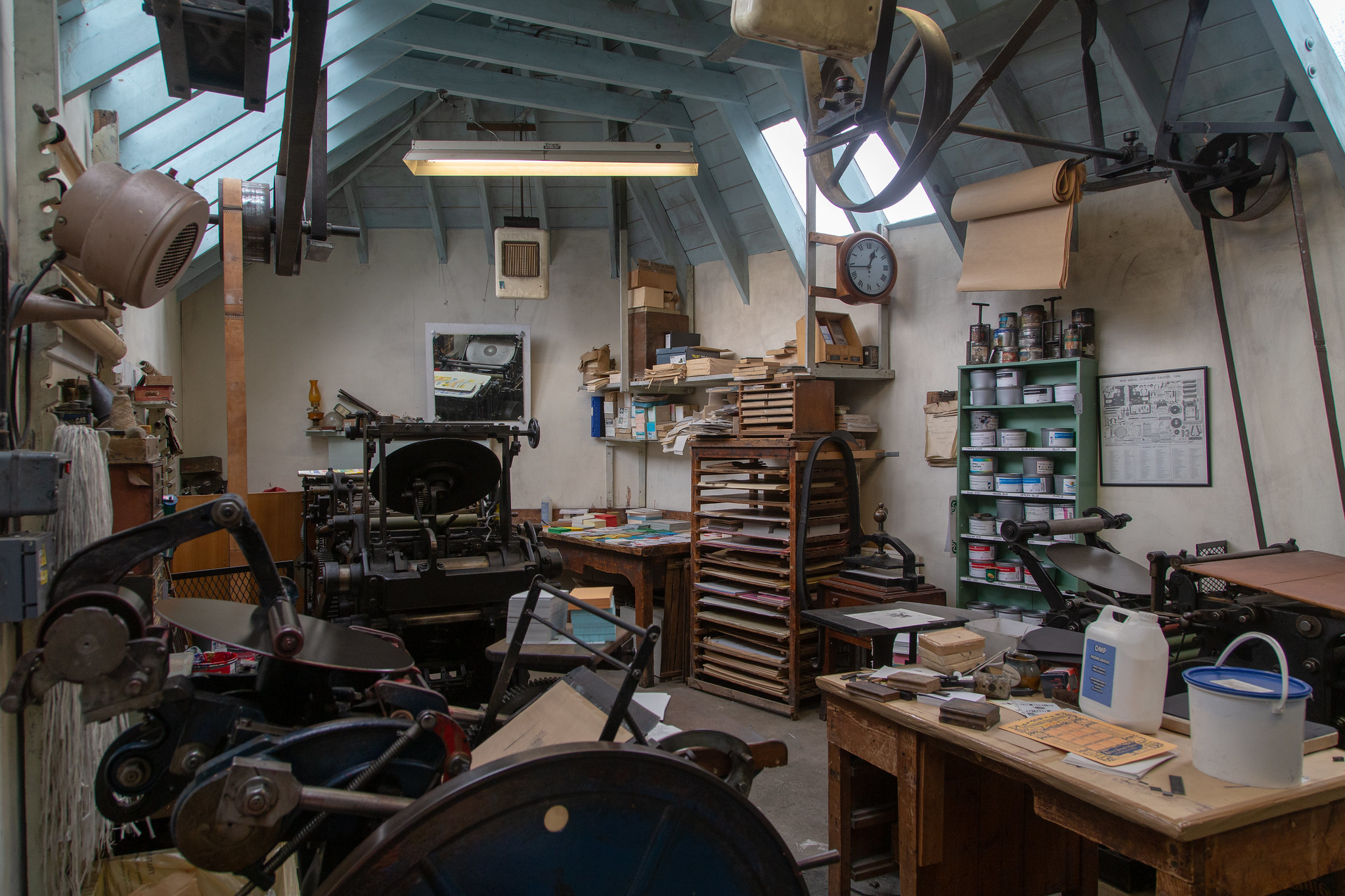
    For many, let­ter­press is an engross­ing sub­ject and while it’s import­ant to do the print­ing, it’s also nice to see how let­ter­press fits in with the wider world and also see the tech­nic­al­it­ies of print­ing.

    This sec­tion of the site hosts the ​‘back­ground’ to let­ter­press — I hope you find some­thing inter­est­ing here.

    • The Oxford Gazette

      The Oxford Gazette

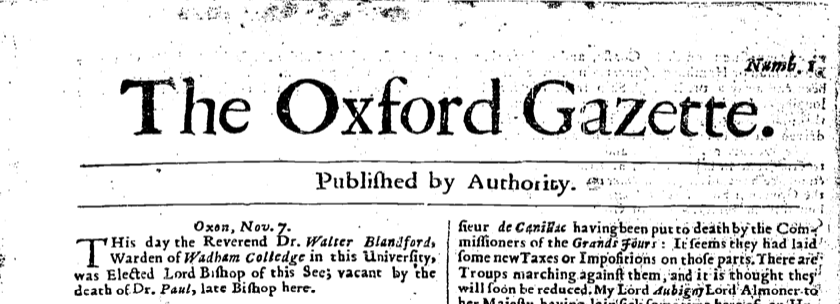
      Britain’s ​‘Jour­nal of Record’ first pub­lished in Oxford, while Charles II fled the plague in Lon­don.

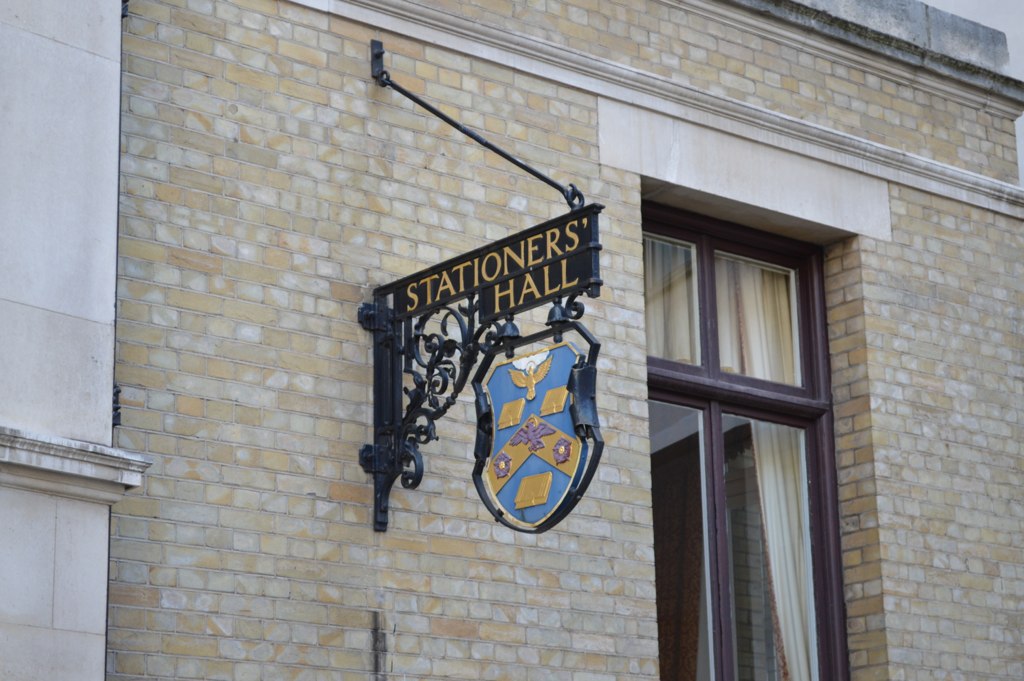
    • Stationers’ Company

      Stationers’ Company

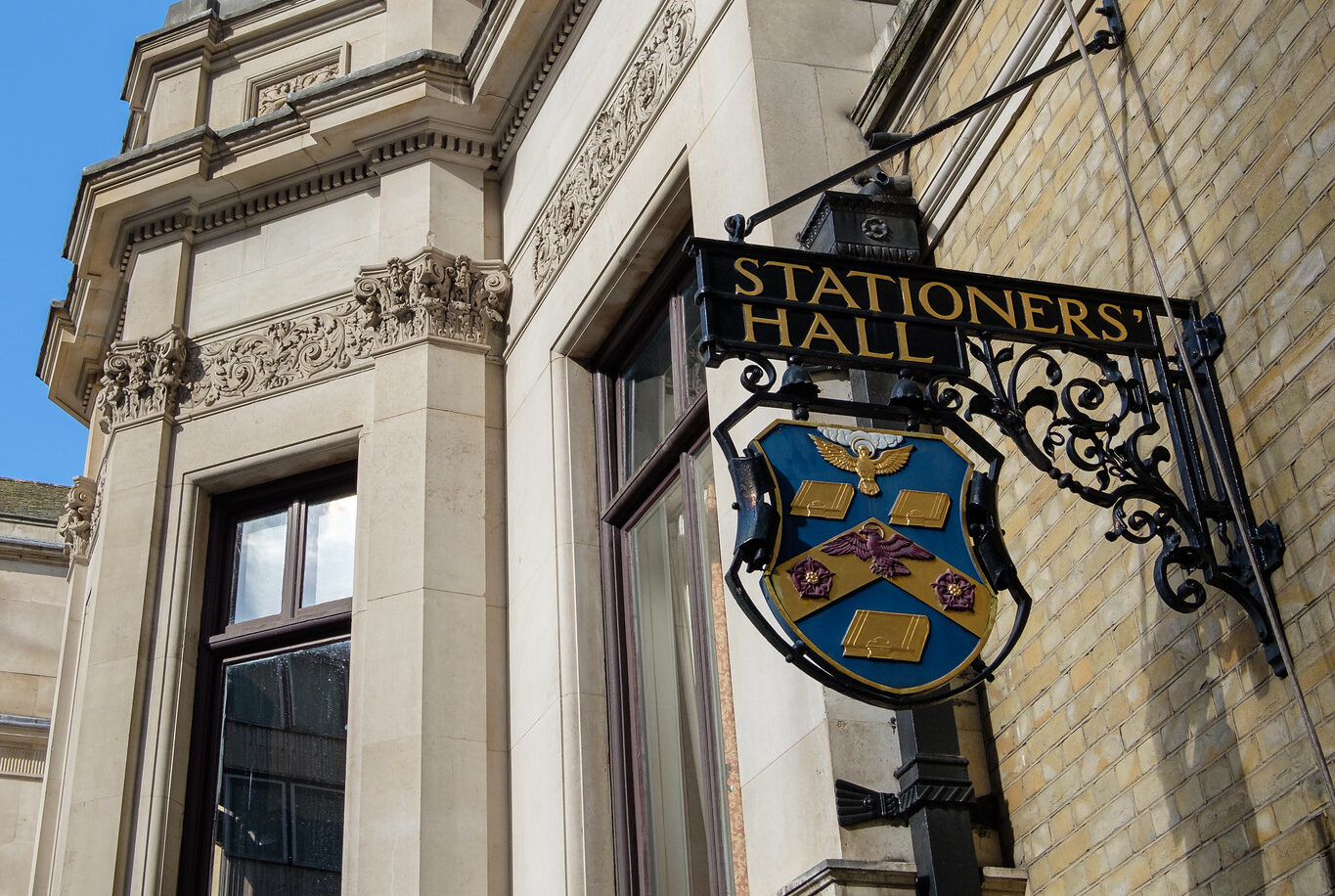
      In com­mon with oth­er Euro­pean coun­tries, Guilds were formed where men had com­mon eco­nom­ic inter­ests and objec­tives and these had dif­fer­ent degrees of con­trol on their trades until the end of the 18th cen­tu­ry, or begin­ning of the indus­tri­al rev­o­lu­tion. In Lon­don, the May­or and Cham­ber­lain leased sta­tions for trad­ing pur­pos­es around St. Paul’s and…

    • Penrose Annual

      Penrose Annual

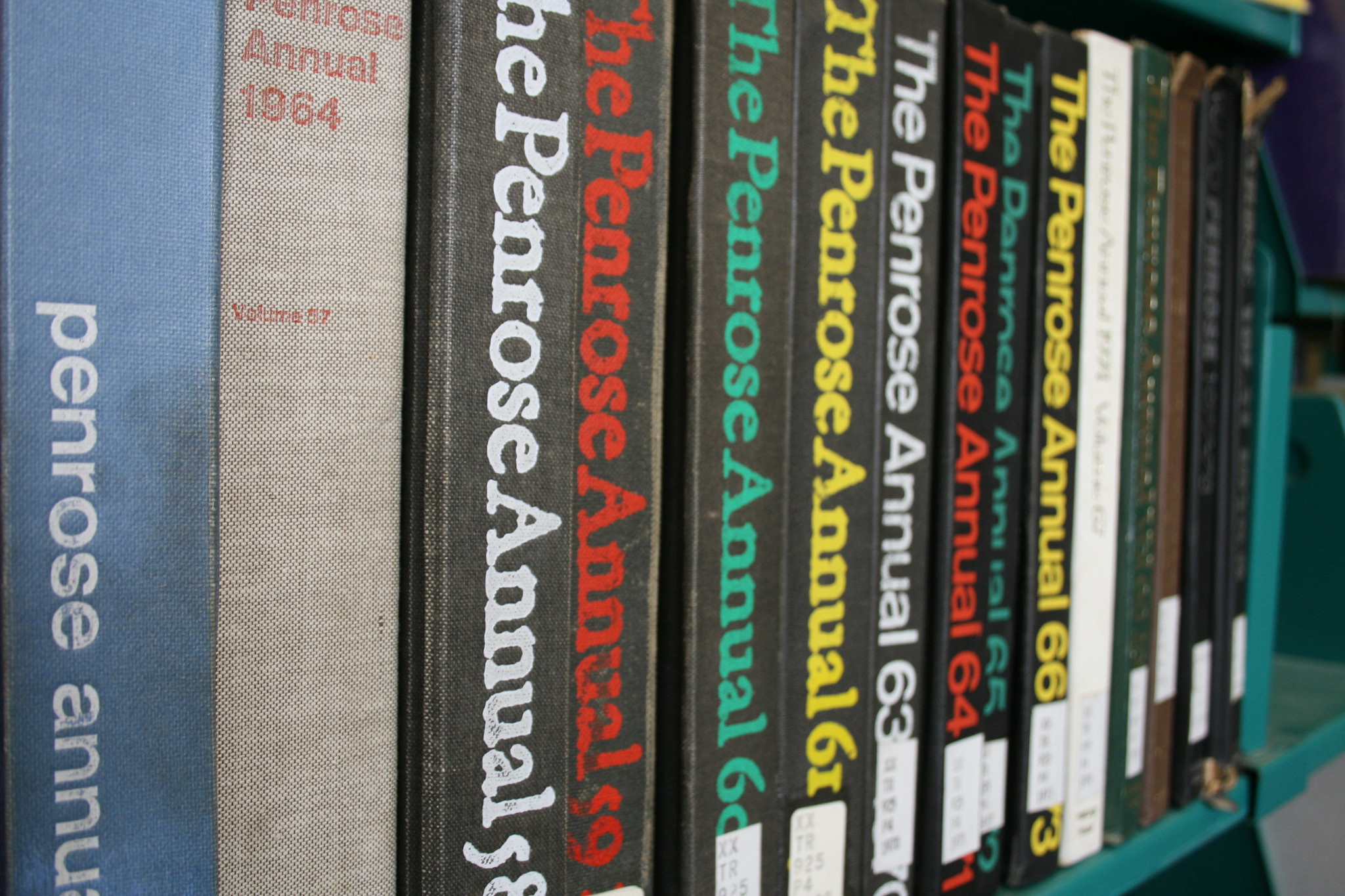
      The com­pendi­um that traced the finest print­ing and state of the art since 1895

    • Fleet Street Strikes

      Fleet Street Strikes

      The mid-1980s news­pa­per dis­pute that changed the face of UK news­pa­pers.

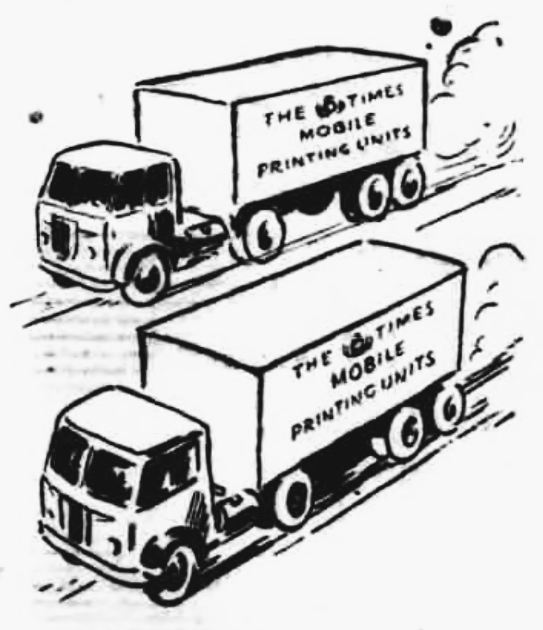
    • Times Mobile Printing Unit

      Times Mobile Printing Unit

      How The Times planned to keep print­ing news­pa­pers, even if their Lon­don base was destroyed in nuclear war.

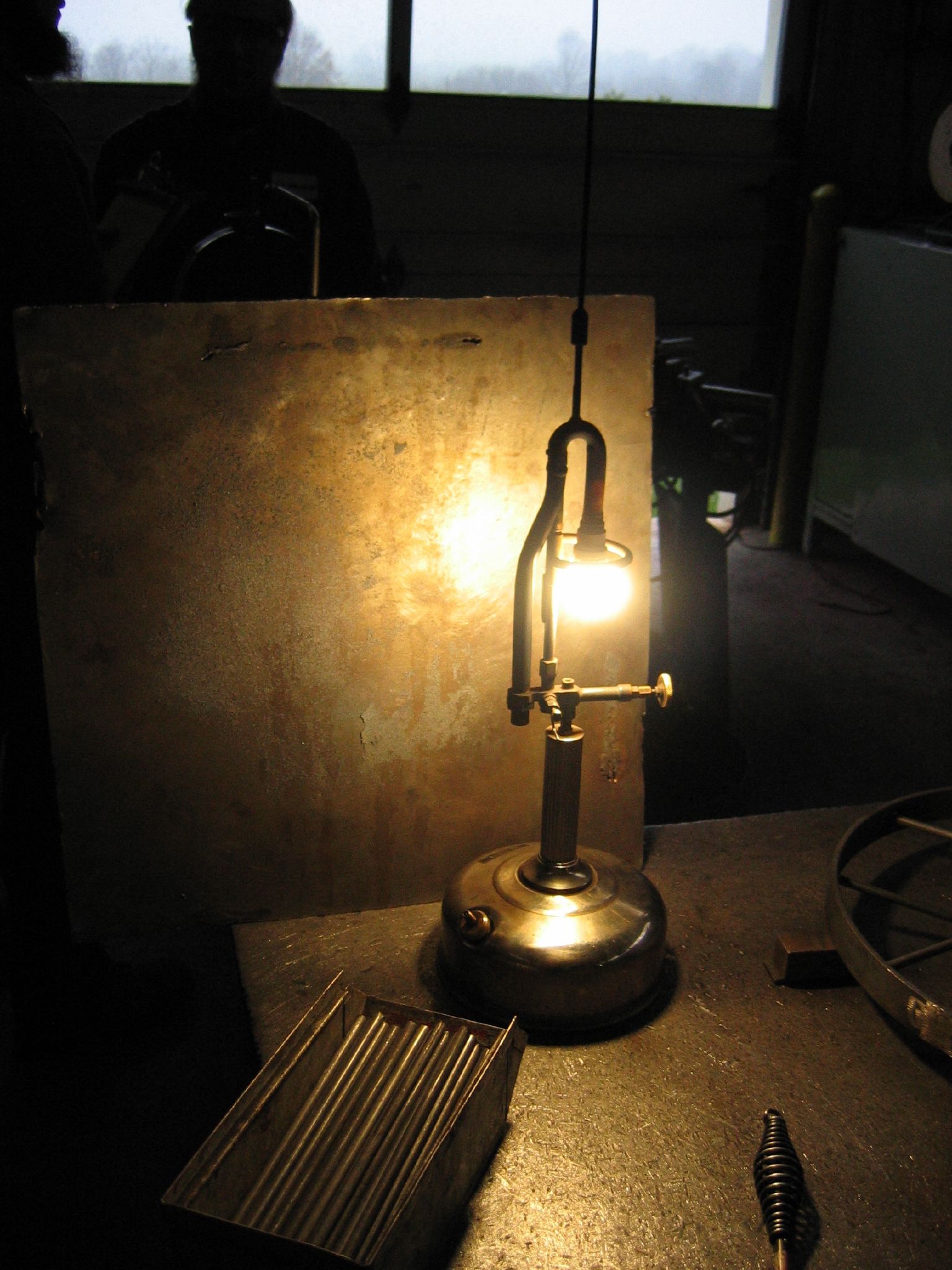
    • Gas Lighting

      Gas Lighting

      There’s evi­dence that gas has been used for light­ing includ­ing in Chi­na in 500BC, with gas trans­port­ed through bam­boo pipes; but here we’re talk­ing about the indus­tri­al age. Our hero in this arti­cle gets only a foot­note men­tion in the Wikipedia arti­cle, hid­den under the name of his employ­er, Sir James Lowther. Mr Carlisle Sped­ding…

    • Stationers’ Company

      Stationers’ Company

      The one-time all-pow­er­ful Guild pro­tect­ing the ​‘mys­tery’ of print­ing in Lon­don

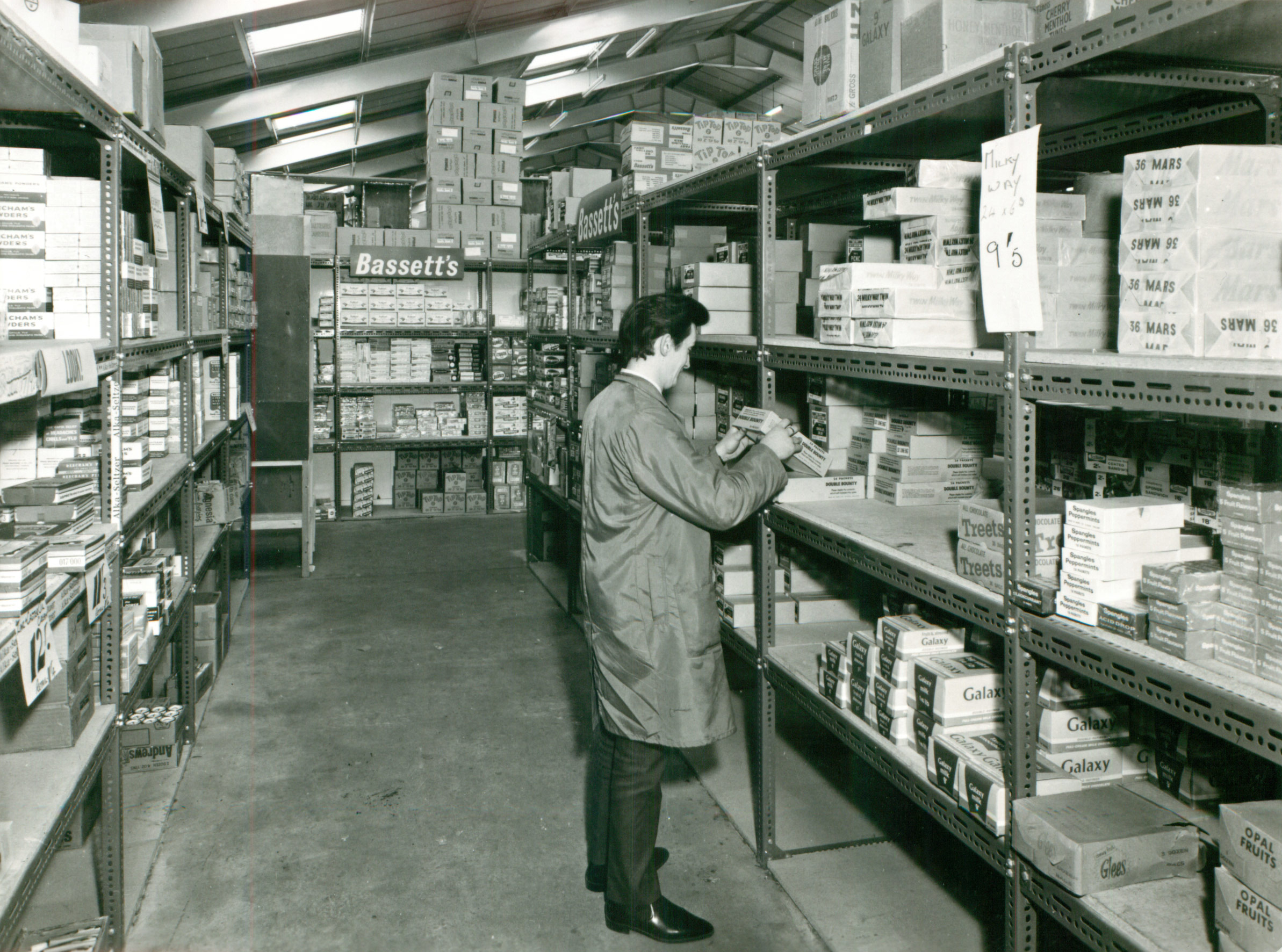
    • Dexion

      Dexion

      Dex­ion is an exam­ple of Slot­ted Angle, described by the BFMP as ​“a post-war devel­op­ment on the prin­ci­ple of the Mec­ca­no unit con­struc­tion but in sizes appro­pri­ate to indus­tri­al appli­ca­tion. It is of ines­timable val­ue to indus­try in gen­er­al and has wide actu­al and poten­tial appli­ca­tion in the print­ing indus­try.”

    • Printers’ Royal Arms

      Printers’ Royal Arms

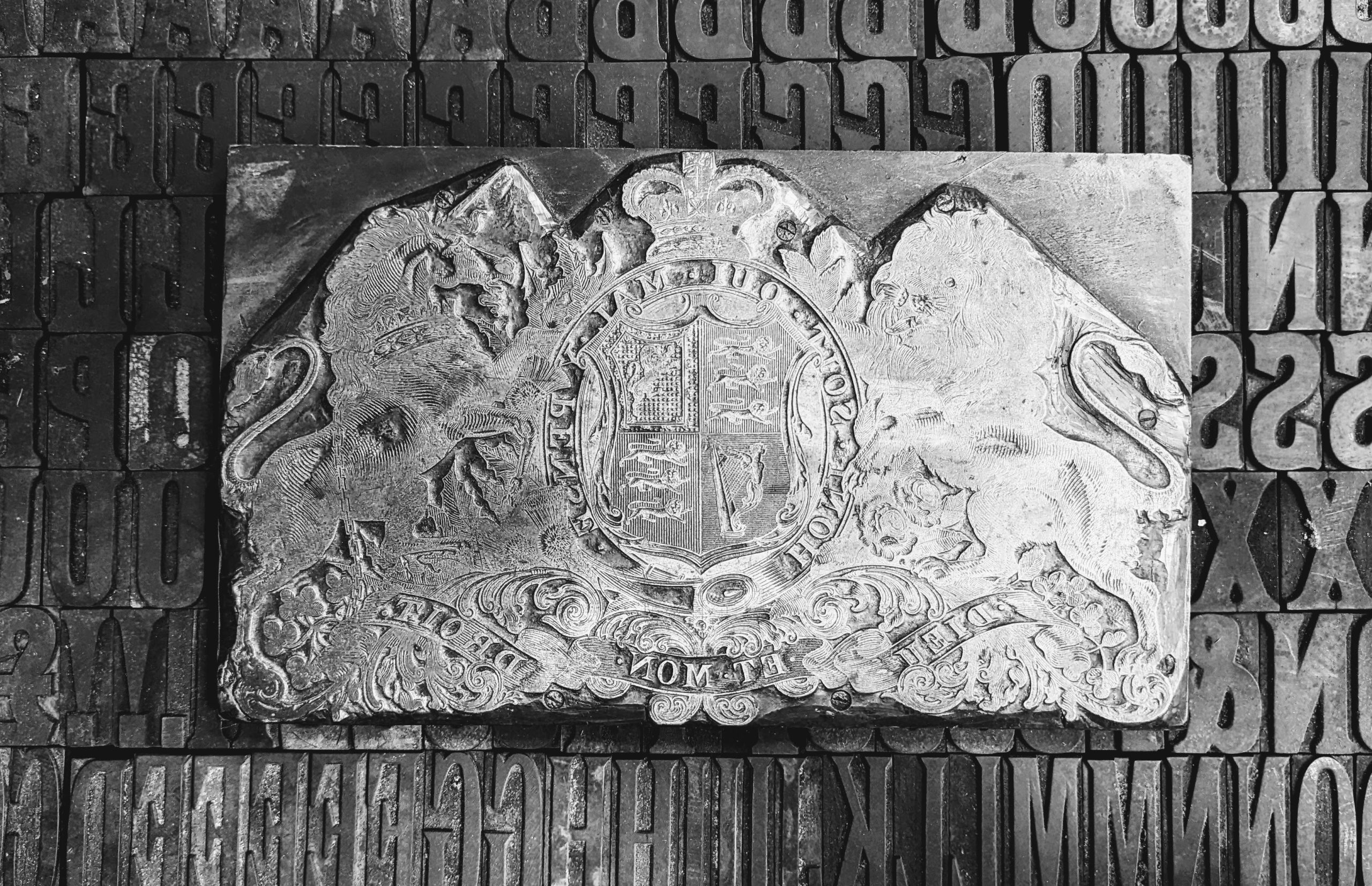
      Roy­al Arms have always con­ferred an air of author­i­ty on print­ed items and print­ers have sought to use this in their work.

    • Efficiency and the Small Printer

      Efficiency and the Small Printer

      A com­pre­hen­sive look at effi­cien­cy and the small print­er

    • The Printing Industry in 1965

      The Printing Industry in 1965

      A sum­ma­ry of the what the UK’s print­ing indus­try looked like in 1965

    • Organisation of a Printing Office

      Organisation of a Printing Office

      Your dreams have come true! You’re now Gen­er­al Man­ag­er of a print­ing works, but just how should you organ­ise your empire?

  • Letterpress Guides

    Letterpress Guides

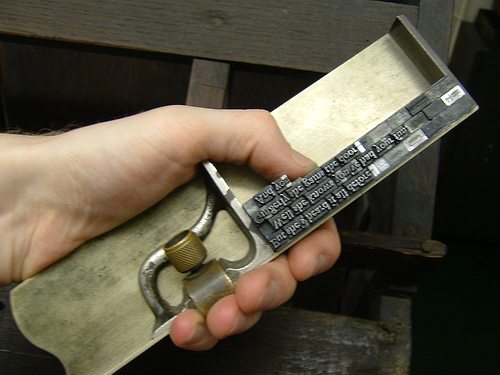
    Let­ter­press print­ers were tra­di­tion­al­ly trained by oth­er let­ter­press print­ers through appren­tices. As com­mer­cial let­ter­press has declined the oppor­tu­ni­ty for per­son­al tuition has got small­er. We’ve guides here to help you with the let­ter­press basics: get­ting the type togeth­er; using the press; select­ing paper and clean­ing up. We also cov­er buy­ing a press and type; and look­ing after it all.

  • Community

    Community

    The pop­u­lar con­cep­tion is that let­ter­press print­ing is dead. While it’s true that com­mer­cial let­ter­press has shrunk, there are a myr­i­ad of things you can do today to either learn more about let­ter­press print­ing from the past, or equip your­self for the future.

  • Type and Typography

    Type and Typography

    Let­ter­press print­ing depends on a raised image, it’s known as a relief pro­cess. Mov­able type was the break­through that allowed print­ers to use and re-use indi­vidual char­ac­ters. When you prac­tice let­ter­press print­ing it’s easy to for­get just how dif­fi­cult it must be for type founders to cre­ate tiny pieces of cast met­al hard enough to with­stand a tre­mend­ous force that are made to tol­er­ances of less than one thou­sandth of an inch.

    Guten­berg of Ger­many is cred­ited with the inven­tion of move­able type around 1450; but records show that both Chi­nese and Kore­an invent­ors had used the idea before the time. Gutenberg’s inven­tion was the first to be exploit­ed and the idea spread rap­idly. There are three key stages in found­ing type –

    • Punch­cut­ting: cre­at­ing a three-dimen­sion­al rep­res­ent­a­tion of the let­ter in the end of a bar of met­al. This skilled work requires a num­ber of oth­er punch­es and tools to be used to cre­ate the punch, and then it be sub­ject to harden­ing. Mod­ern-day equi­val­ents of punch­es can be seen in DIY stores to mark met­al equip­ment with ini­tials.
    • Cre­at­ing the Mat­rix: this step takes the punch, and strikes it in a soft­er met­al to make a neg­at­ive mould. The met­al is usu­ally brass
    • Cast­ing: this is fill­ing the mould with mol­ten type met­al and remov­ing the cast type

    Type Found­ing in the Print­ing Eco­nomy in the UK

    Type found­ing is a spe­cial­ist indus­try need­ing artis­tic and design skills in equal meas­ure with engin­eer­ing prowess and abil­ity to work in some of the very heavy aspects of indus­try. The indus­try was cen­tred around the demand in Fleet Street, Lon­don; but oth­er sig­ni­fic­ant type founders worked where tech­nical expert­ise was great­est-for exam­ple Steph­en­son, Blake of Shef­field.

    The key con­straint for print­ers was that type from a foundry had to be assem­bled by hand before print­ing could begin. This com­pos­i­tion activ­ity took a great deal of time and tied up cap­ital in the type need­ed. As the 19th cen­tury grew to a close peo­ple we very keen to auto­mate this part of the process-work began to look at pro­du­cing type in the order it was need­ed. That’s to say go dir­ectly from the copy to the met­al type with no sort­ing or com­pos­ing pro­cess in between.

    There became two fam­il­ies of type: foundry type (gen­er­ally hard­er qual­ity) that was pro­duced in the great foundries; and com­pos­i­tion type (slight­ly soft­er qual­ity) that was pro­duced from copy either by a spe­cial­ist firm, or even by the print­er him­self.

    UK Type Foundries

    The UK had a num­ber of very influ­en­tial foundries. While ear­ly met­al type from the con­tin­ent (in par­tic­u­lar Dutch type) was con­sidered super­ior, the UK caught up and great names like Caslon, Fig­gins and Steph­en­son, Blake were estab­lished. The large num­ber of small foundries gave way to a smal­ler num­ber of large foundries. The last of the Eng­lish Foundries, Steph­en­son, Blake of Shef­field stopped trad­ing in Decem­ber 2004. That foundry alone had acquired Charles Reed and Sons in 1905, and H. W. Caslon and Co in 1937.

    Com­pos­i­tion Type

    Allow­ing print­ers to cast their own type was a key dri­ver behind devel­op­ments in com­pos­i­tion type. There were two broad approach­es: build a com­plete line of type from a machine; or build indi­vidual char­ac­ters in the cor­rect order from the machine.

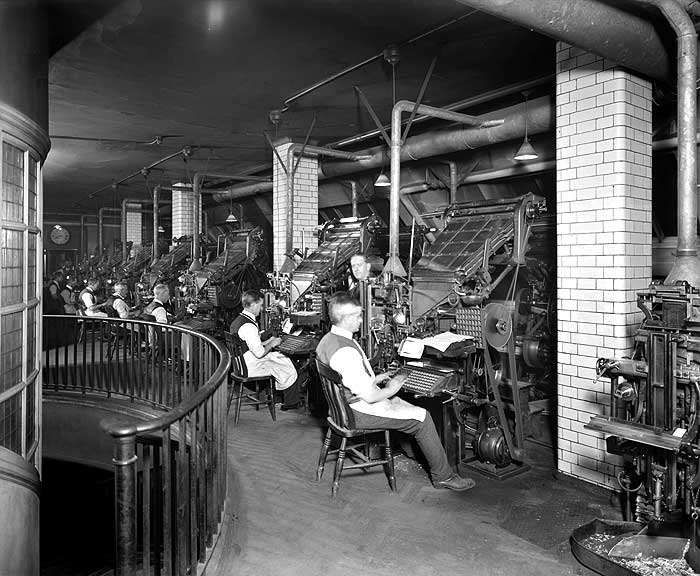
    Lino­type and Inter­type took a sim­ilar approach: the oper­ator sat at a key­board and typed the copy. While copy was being typed the matri­ces (type moulds) were assem­bled with­in the machine. Once a line was com­pleted the moulds were filled with hot type met­al and the res­ult­ing ​‘slug’ was forced from the machine, being trimmed and shaped in the pro­cess. The Lud­low Typo­graph was sim­ilar, but the matri­ces were assem­bled by hand.

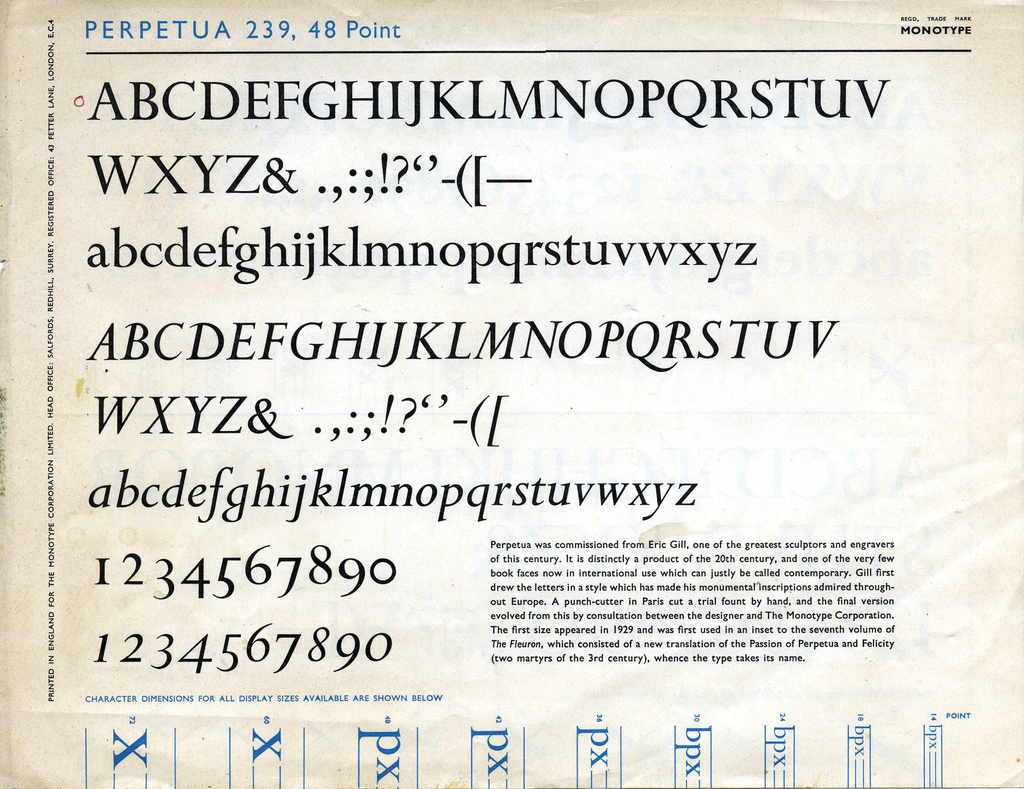
    Mono­type adop­ted a dif­fer­ent tack. They split the oper­a­tion between key­ing the copy and cast­ing the type. Copy was typed on a Mono­type Key­board pow­ered by com­pressed air which punched holes in a paper tape. The tape was then tak­en to a cast­ing machine  which used the paper tape to pos­i­tion a case of matri­ces and cast a sin­gle piece of type for each key­stroke on the paper tape. The advant­age of this approach was to allow for cor­rec­tion after com­pos­i­tion had been pro­duced by the machine.

    In mod­ern times, Mono­type machines can be con­trolled by com­puter–allow­ing the dir­ect pro­duc­tion of met­al type from a com­puter key­board.
    • Photopolymer

      Photopolymer

      The clever inven­tion, just too late to make a dif­fer­ence to let­ter­press’ demise, but that keeps some print­ers hap­py today

    • Choosing Typefaces

      Choosing Typefaces

      A start­ing point for the age-old prob­lem of choos­ing a house face

    • The Point System

      The Point System

      How did we in the Eng­lish-speak­ing world arrive at 0.01387” as one point?

    • Type Synopses

      Type Synopses

      The obscure join between maths and print­ing — mak­ing sure each let­ter is in the right pro­por­tions

    • Type Founders

      Type Founders

      Oth­er UK type founders

    • Linotype and Intertype Salvage

      Linotype and Intertype Salvage

      A guide — in note form — to sal­vaging a Inter­type or Lino­type

    • The Monotype System

      The Monotype System

      The sys­tem that spawned a great name in let­ter­press and the typog­ra­phy we use today

    • The Ludlow Typograph

      The Ludlow Typograph

      The less-pop­u­lar broth­er of the Intertype/Linotype and the Mono­type sys­tem

    • Elrod Strip and Rule Caster

      Elrod Strip and Rule Caster

      The machine used by small­er print­ers to cast new ​‘strip mate­r­i­al’

    • Woodletter or Poster Types

      Woodletter or Poster Types

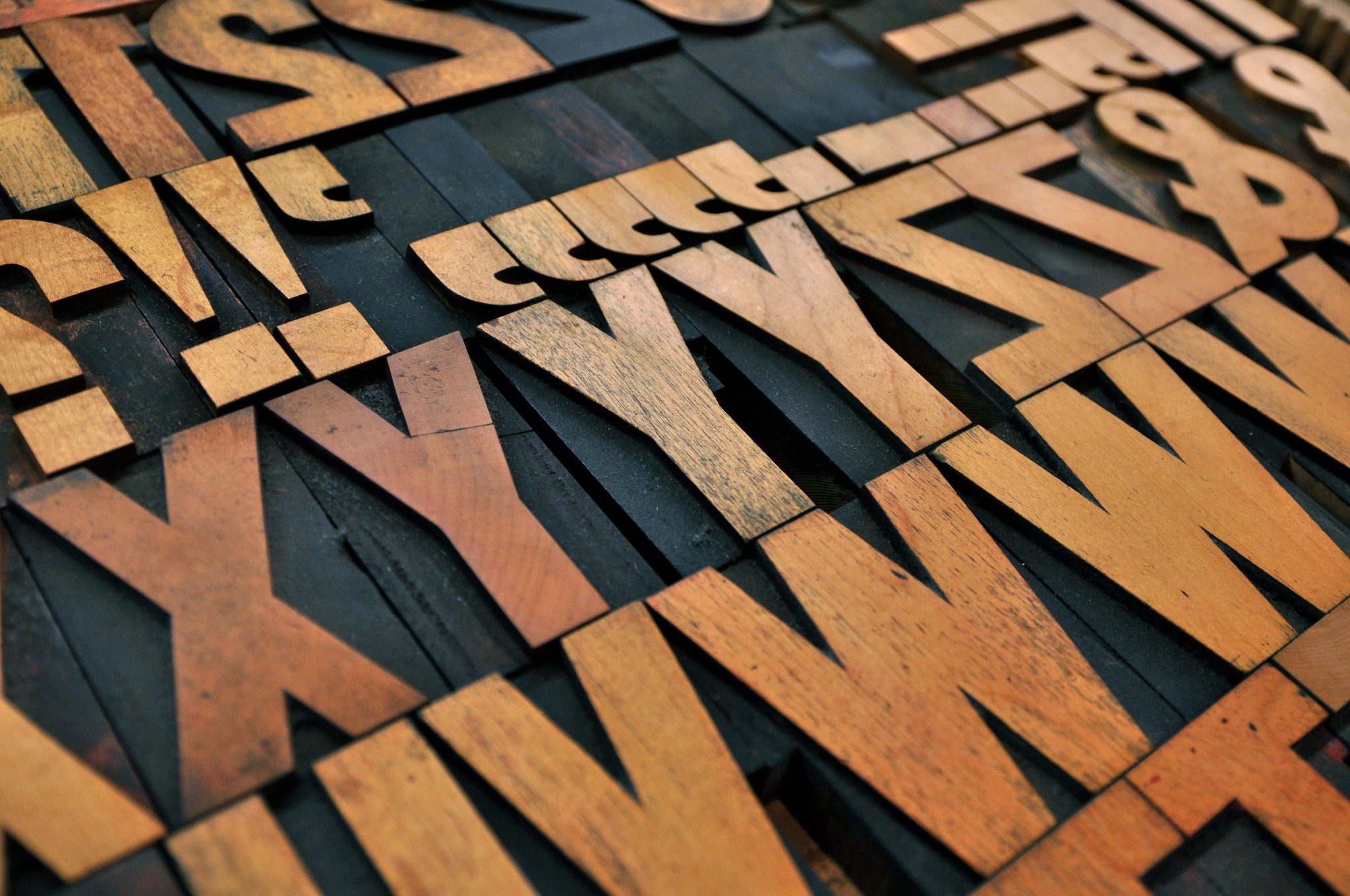
      Big­ger type to pro­duce those won­der­ful inky let­ter­press posters

    • Finding Second-Hand Type

      Finding Second-Hand Type

      How to find and buy sec­ond-hand type

    Fur­ther Information